
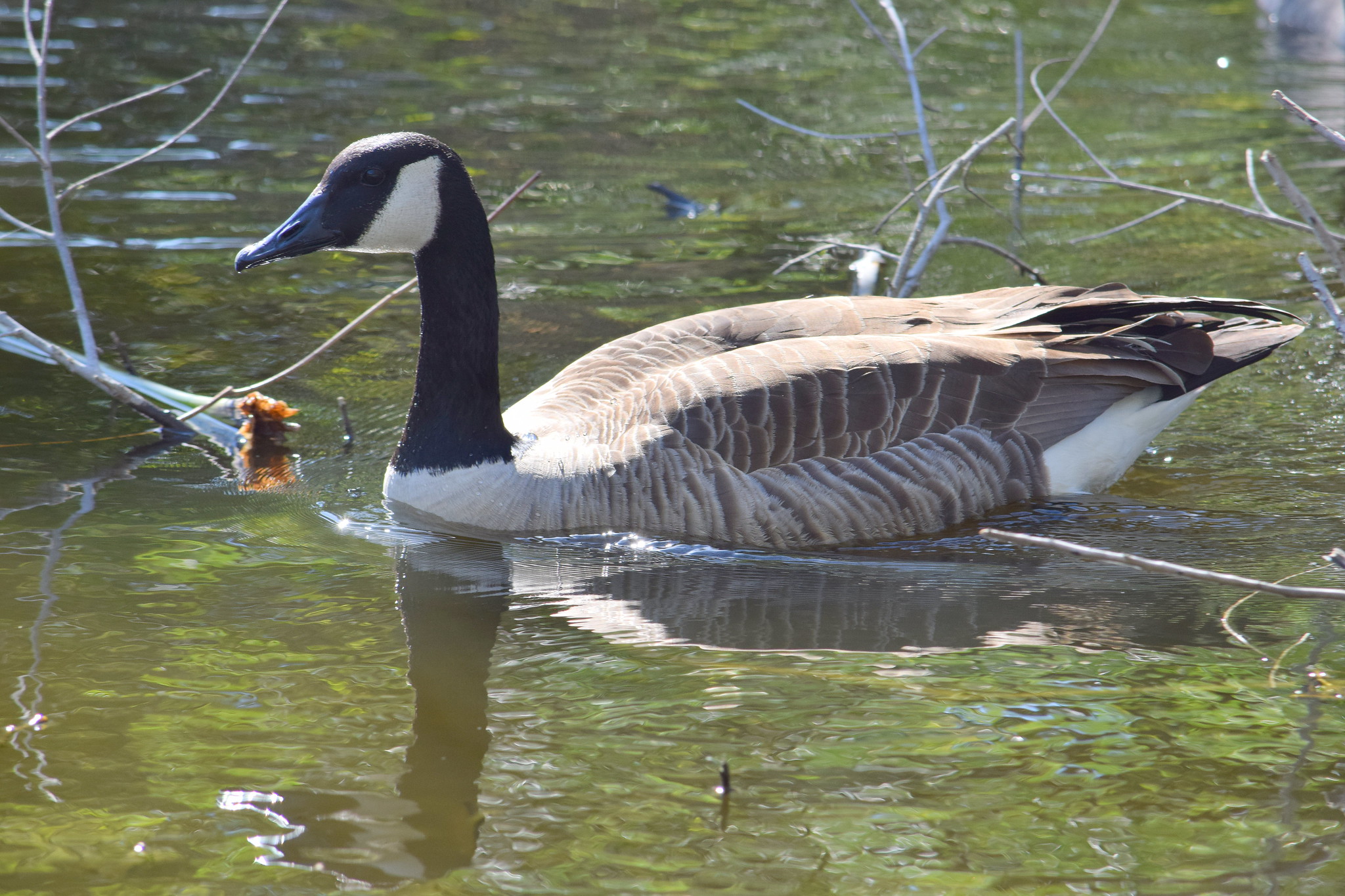
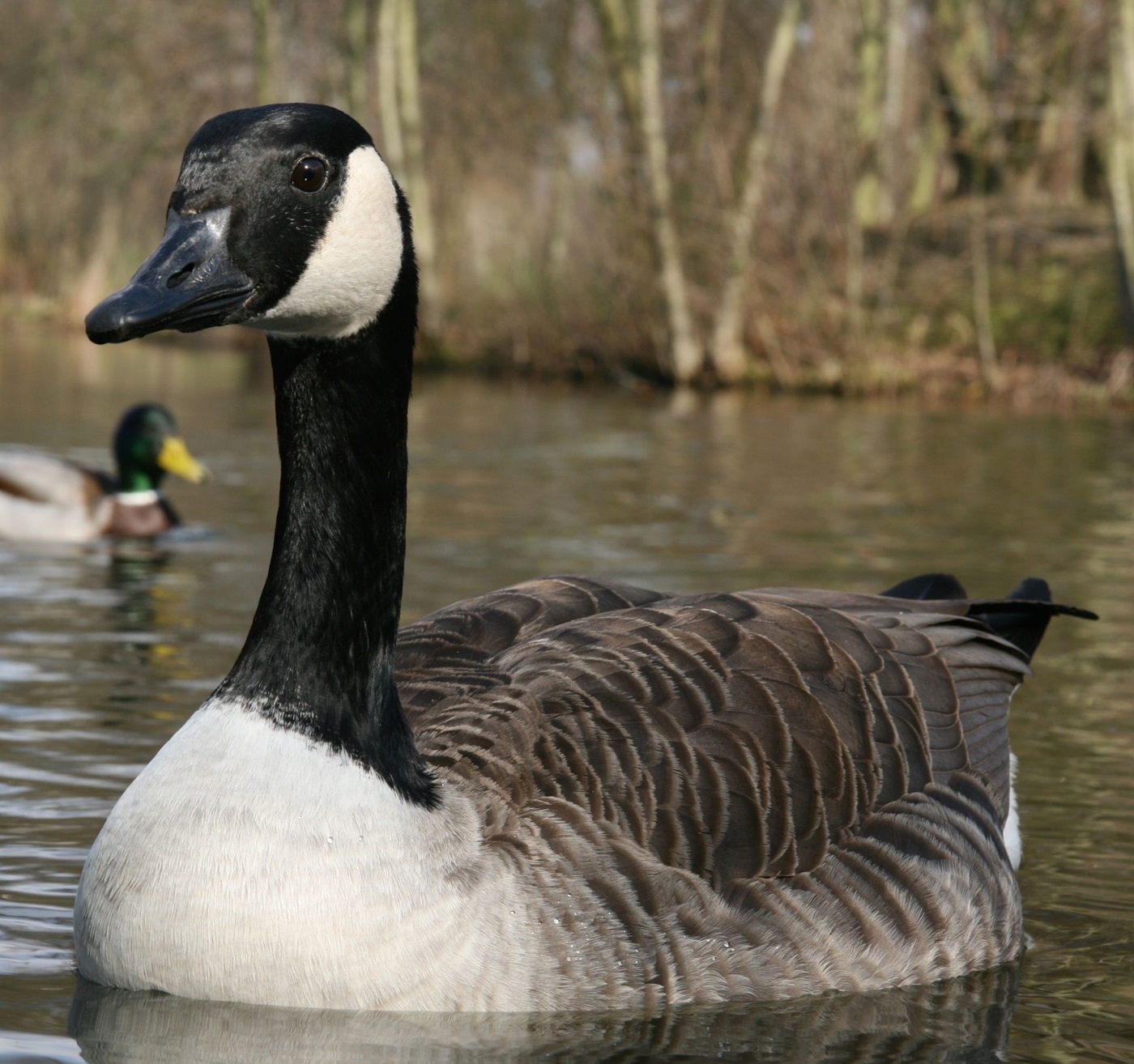
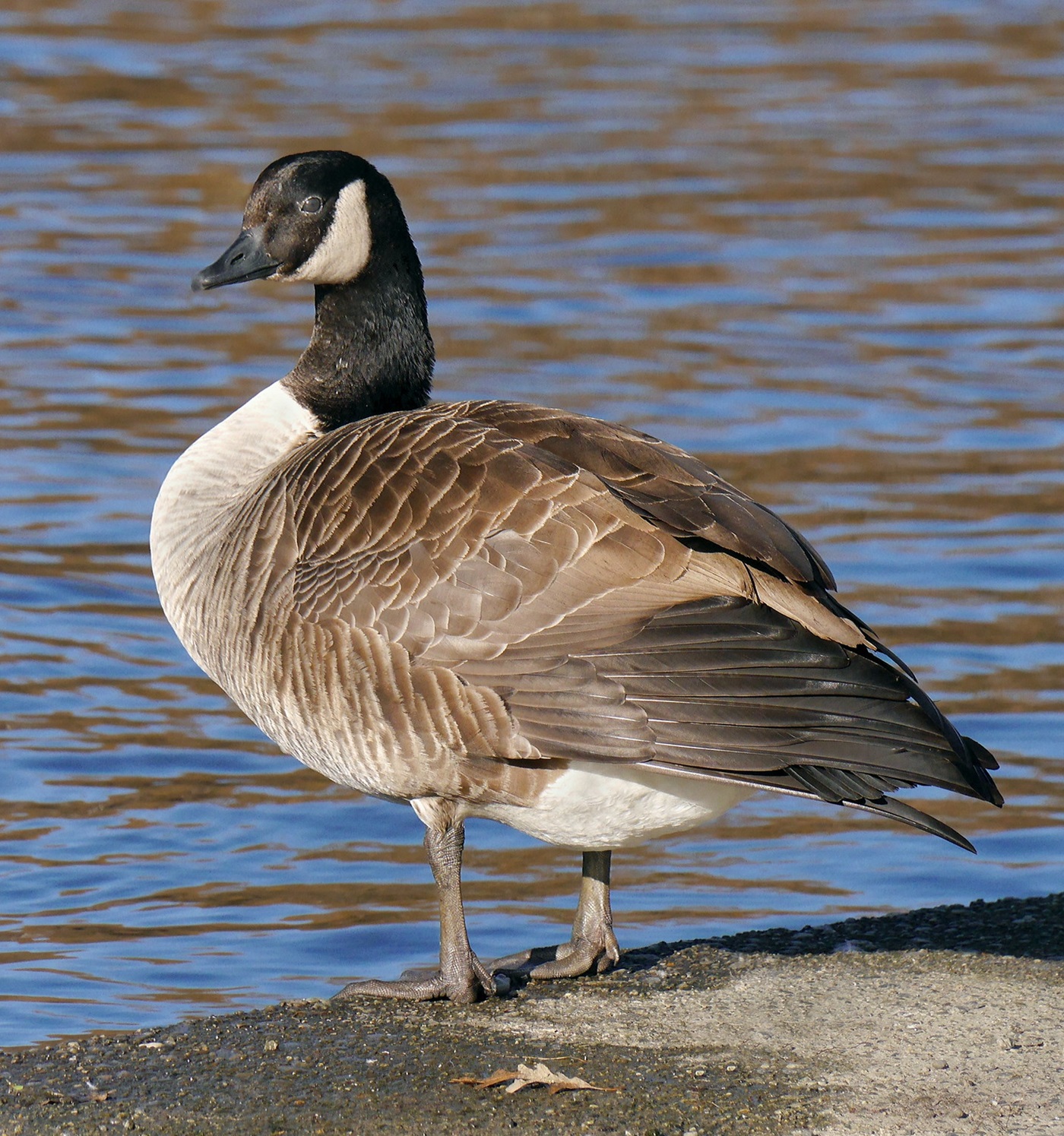
That big goose with a black neck and white chinstrap, grazing a city park, is a Canada Goose. It arrived as an ornament: in the late 17th century it joined the royal collection of waterfowl kept for James II in St James's Park. Since then it has spread to inland waters and wetlands across Britain, and it is established in Ireland too.
Black stocking, white chinstrap, brown body
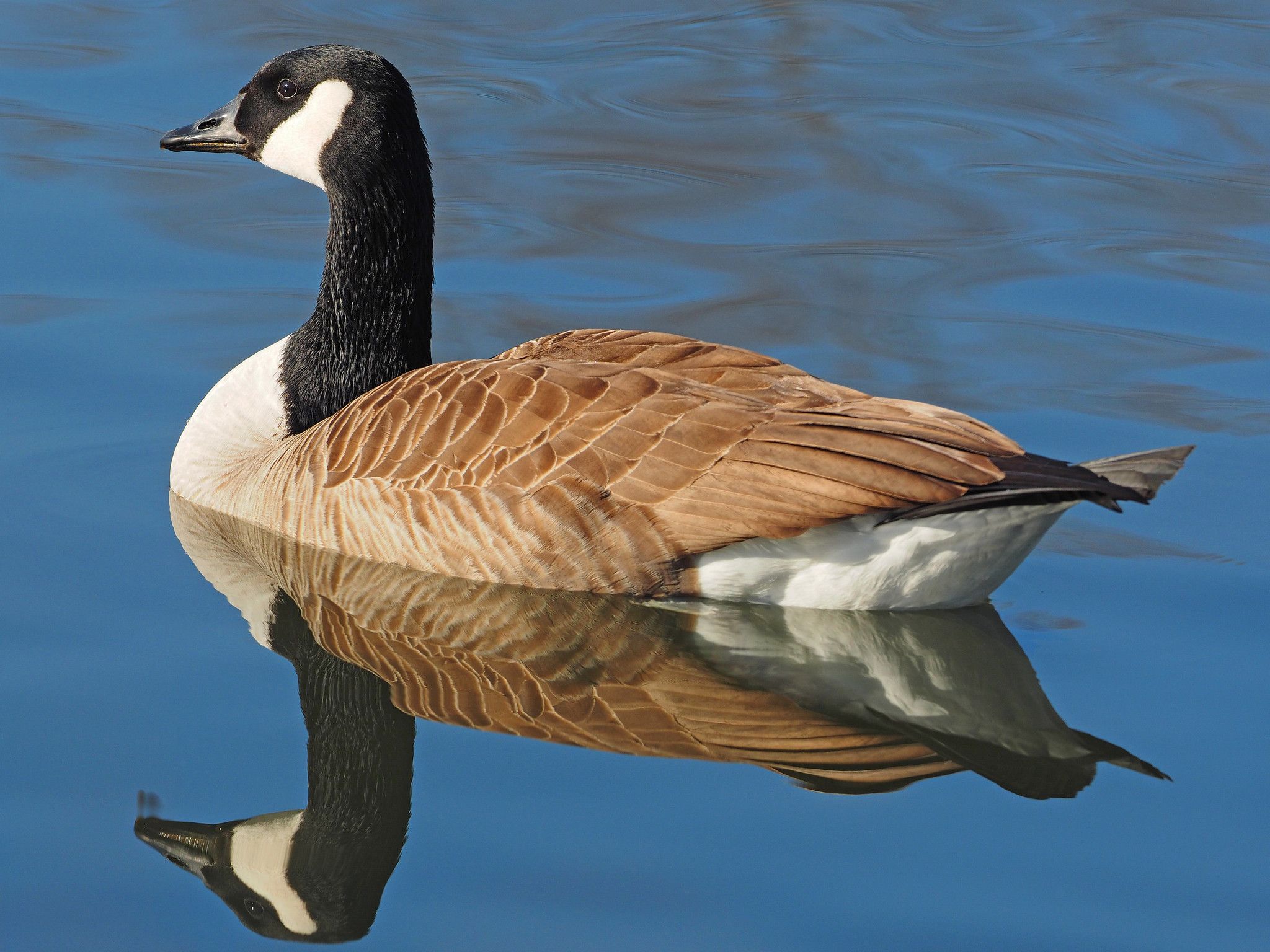
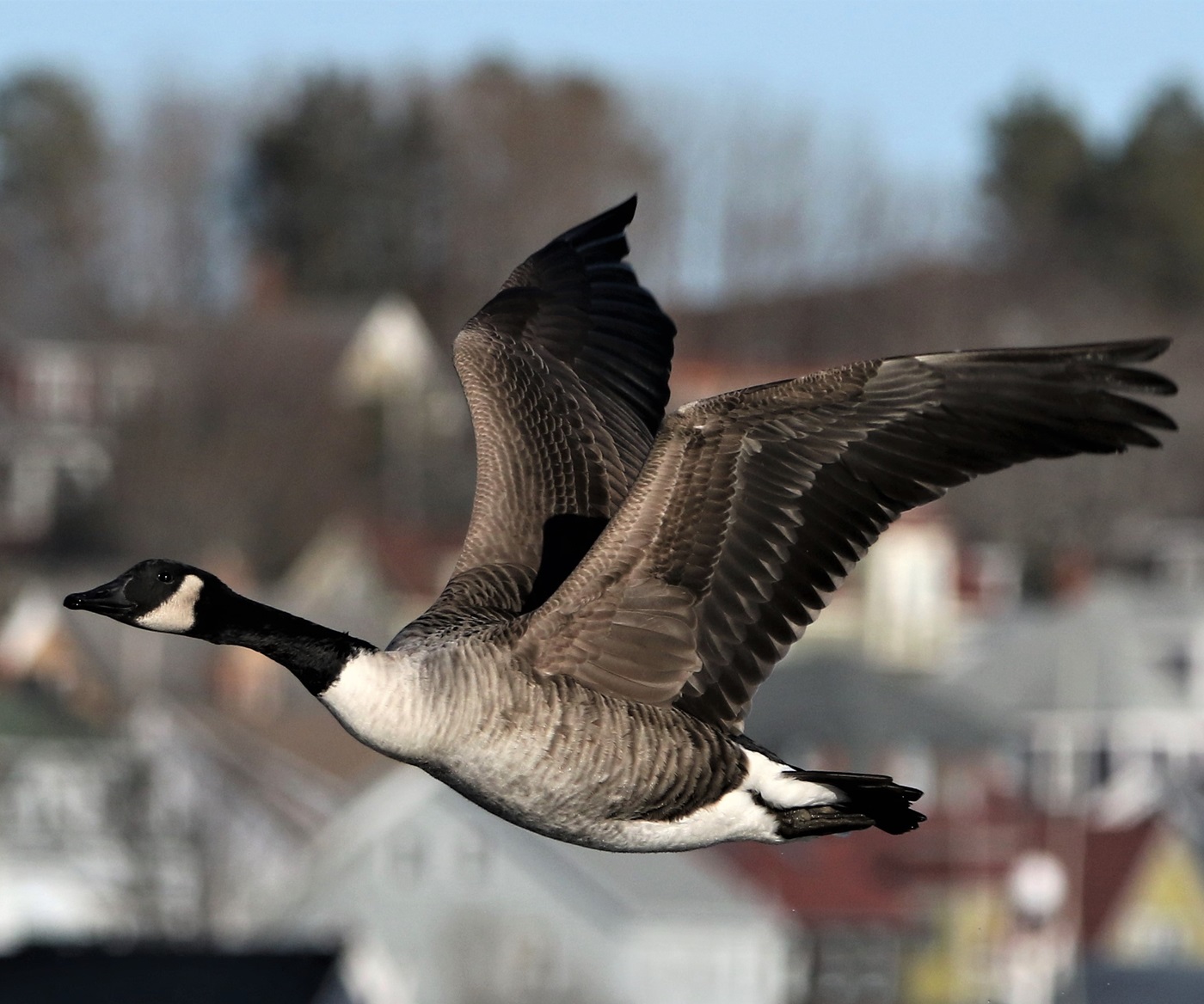
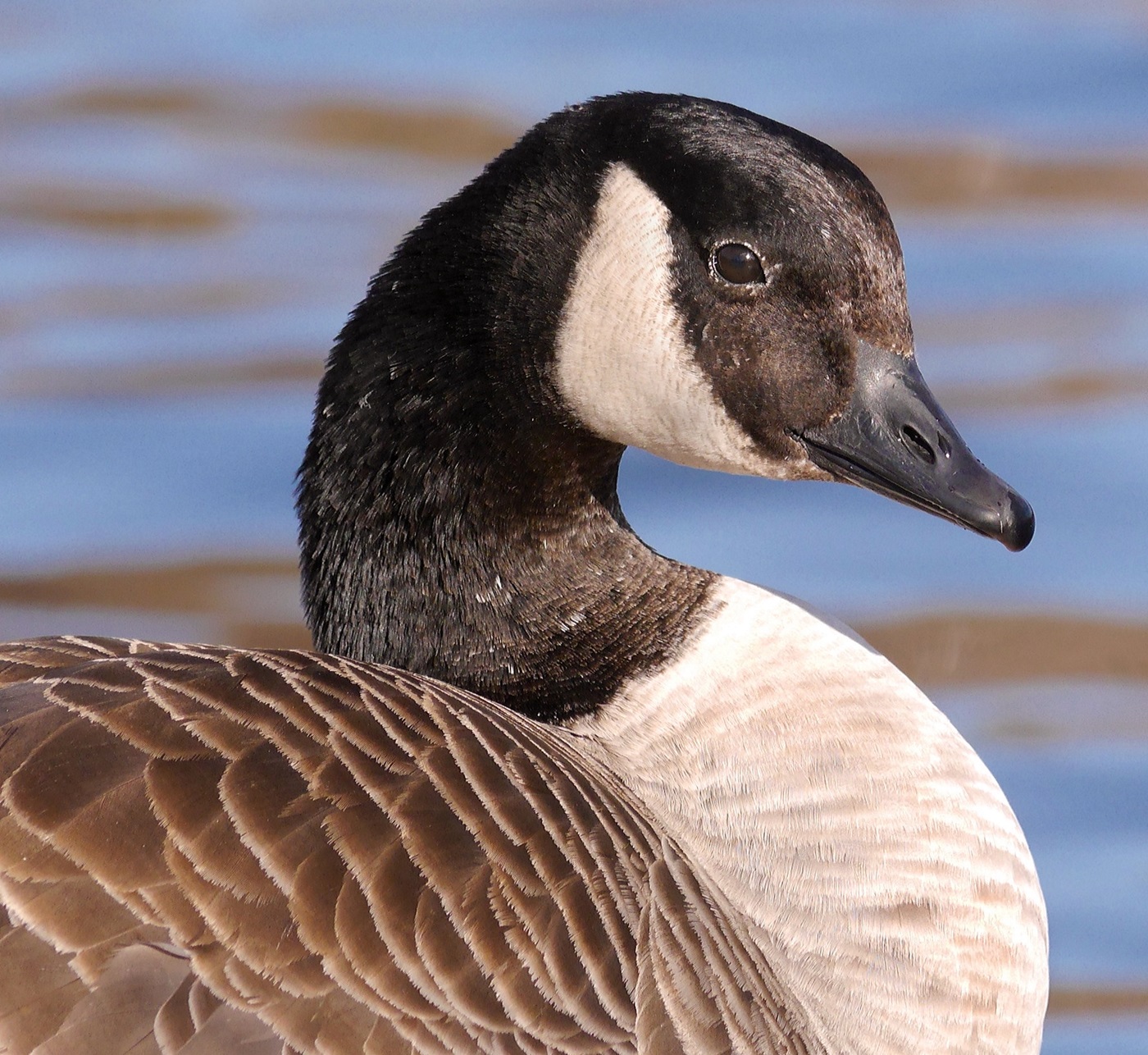
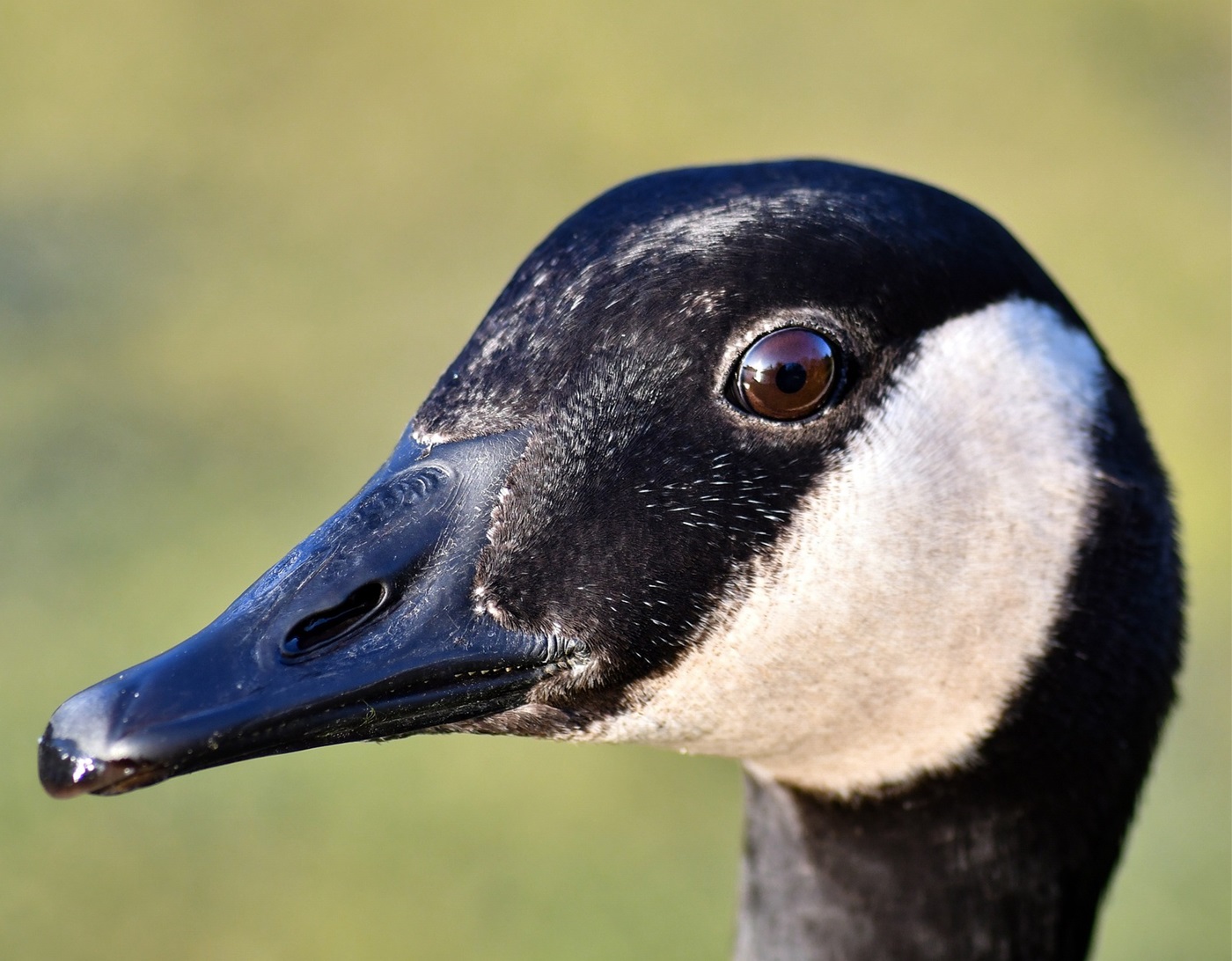
Start with the head. A black head and long black neck carry a white band that wraps under the chin like a strap, all above a brown body. Only two other geese share that pattern.
Size helps too. At 75 to 110 cm, it is on average the largest of the true geese. Males average 3.9 kg and females 3.6 kg, and the female, about a tenth smaller, looks virtually the same.
Odd birds turn up. Some have a brown or pepper-speckled neck, thought to be leucistic; others show dark cheeks or a white forehead.
Telling it from Barnacle and Cackling Geese
The Barnacle Goose is the look-alike you are most likely to meet. It is clearly smaller, with a tiny stubby bill, more white on the face, a black breast and a silver-grey rather than brown body.
Cackling Geese have counted as a separate species since 2004, and in Britain since 2005. Most are much smaller, the tiniest barely bigger than a Mallard, with a stubbier neck and bill. The smallest Canada Geese overlap with the biggest Cackling Geese, so a mixed flock can still defeat you.
Honk, hrink and the warning hiss
The ‘honk’ belongs to the male. The female's ‘hrink’ is similar but shorter and higher, so a pair calling together gives a two-tone exchange. Researchers recognise ten calls in all, each tied to a different situation.
A hiss is a warning. An agitated goose opens with a high hiss, then stands tall, spreads its wings and may charge, pecking or striking with the wings. Parents with goslings will do this to people.
From country estates to reservoirs and gravel pits
For a long time the geese stayed on country estates, kept for ornament and shooting. In 1953 the British Isles held between about 2,670 and 10,090 birds, depending on who counted, and in the 1970s they spread across the countryside.
Numbers reached roughly 60–64,000 by 1990, then 82,000 by 1999. Moving pairs away from farmland in the 1950s and 1960s only seeded new colonies. The Midlands and the South East remain strongholds, but moorland, upland waters and towns now have geese too.
Reservoirs and flooded gravel pits created nest sites, the Mute Swan is its only serious rival, and most European birds have lost the urge to migrate. Big flocks can push native ducks and swans off nest sites, overgraze water plants and enrich the water with droppings.
Lifelong pairs and goslings in single file
Pairs form in the second year and usually last for life. The nest is a shallow hollow lined with plant matter and down, normally on raised ground near water.
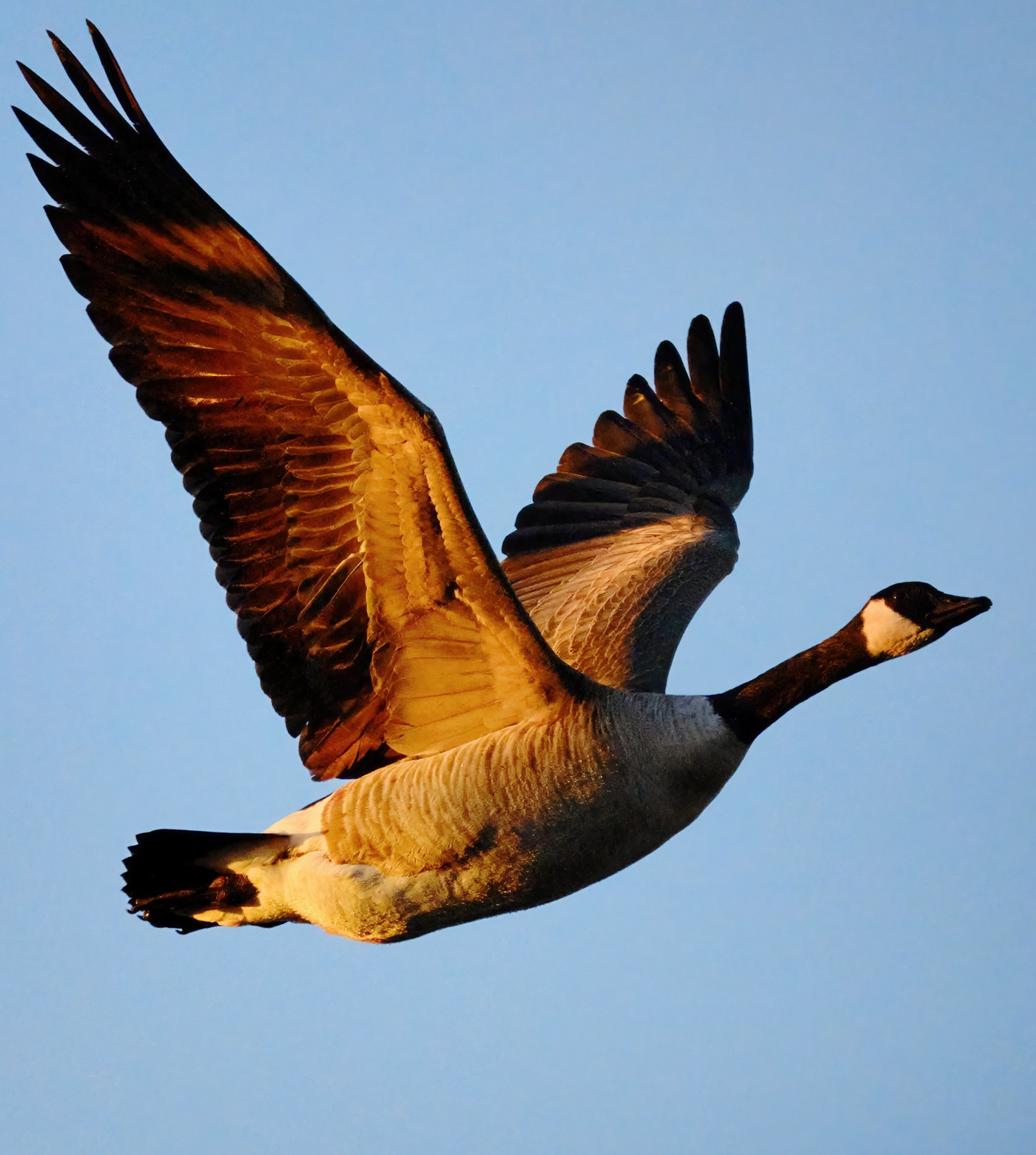
The female incubates for 24 to 32 days while the male stands guard. Adults moult their flight feathers during breeding and are grounded for 20 to 40 days, flying again at roughly the moment their young do.
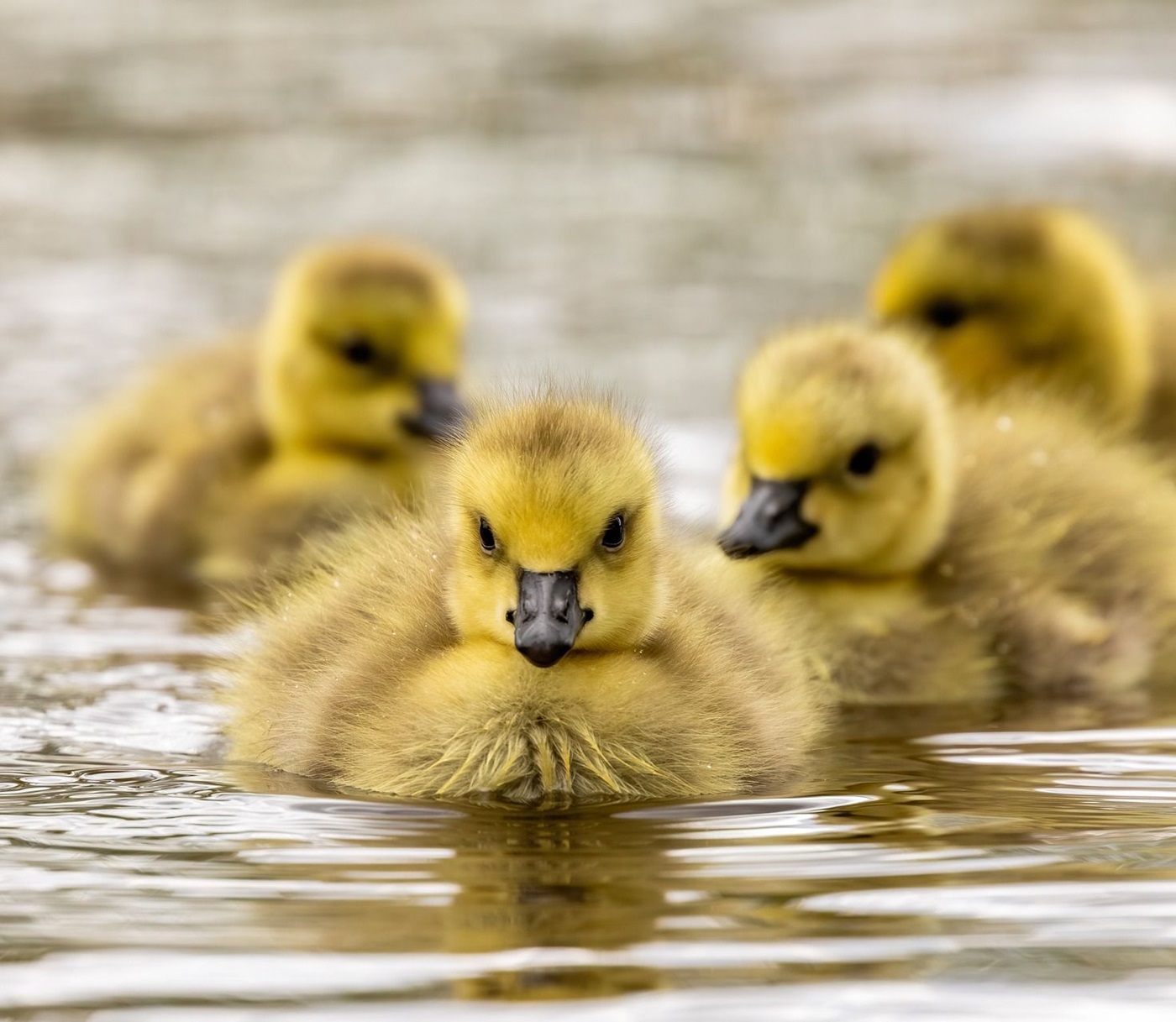
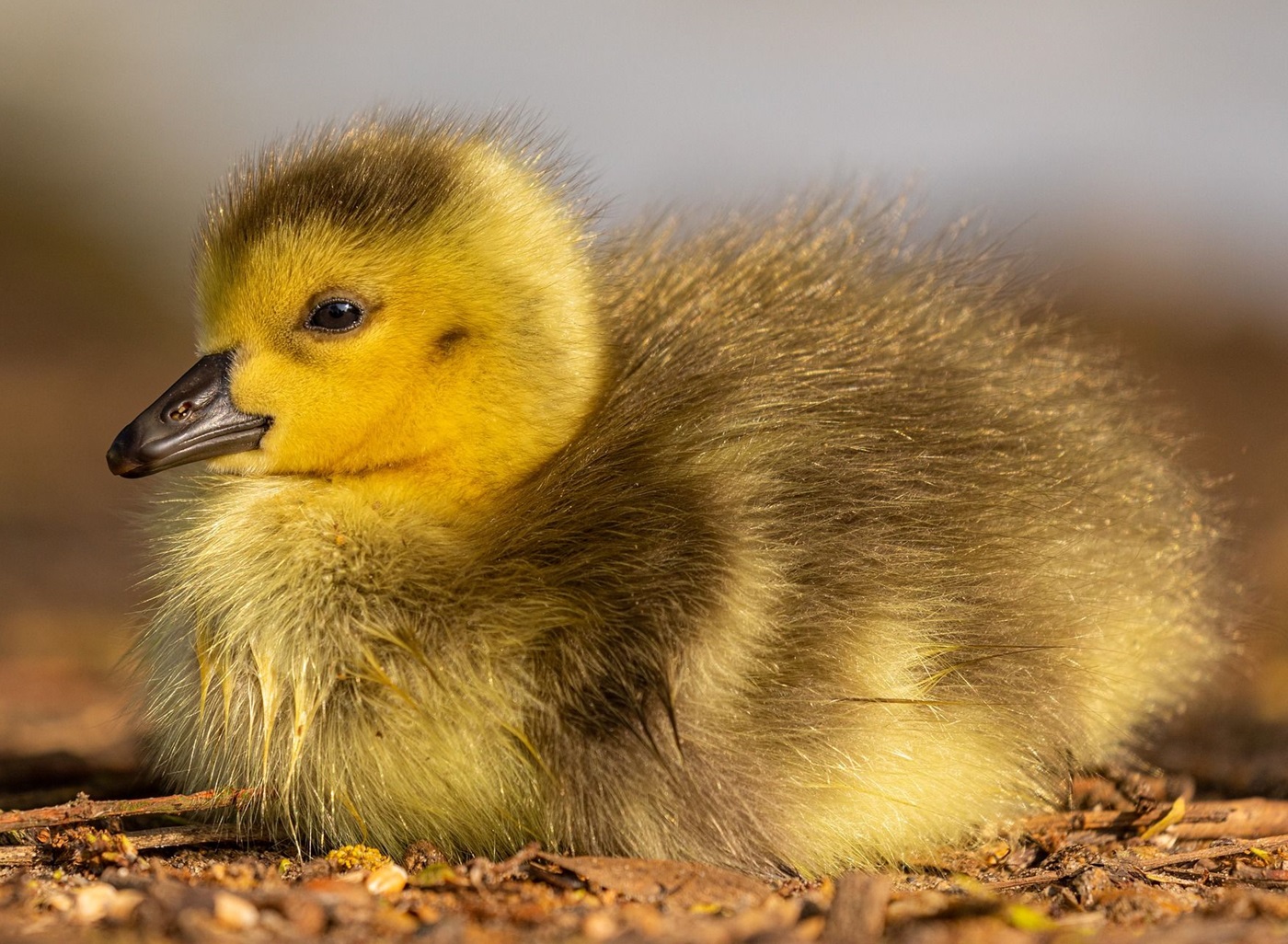
Goslings walk, swim and feed themselves from hatching. Look for a family in single file, one parent at each end, and for crèches where several broods merge. In Europe, mink, otters and Mute Swans take eggs and young.
A resident goose with a spring peak
Present all year, since most birds in Britain no longer migrate. Spring and early summer are the nesting and gosling months, when parents defend nest and goslings most fiercely.
Photo gallery
Canada Goose law and diet
Can you remove Canada Goose eggs in the UK?
Not without a licence. As with native birds, the law fully protects its nests and eggs unless removal is specially licensed. Shooting is normally limited to the open season.
What do Canada Geese eat?
Mostly plants. On land they grip a blade of grass and tear it off with a sharp tug of the head. In water they run the bill along the bottom for water plants, and they take grain such as wheat when they find it.