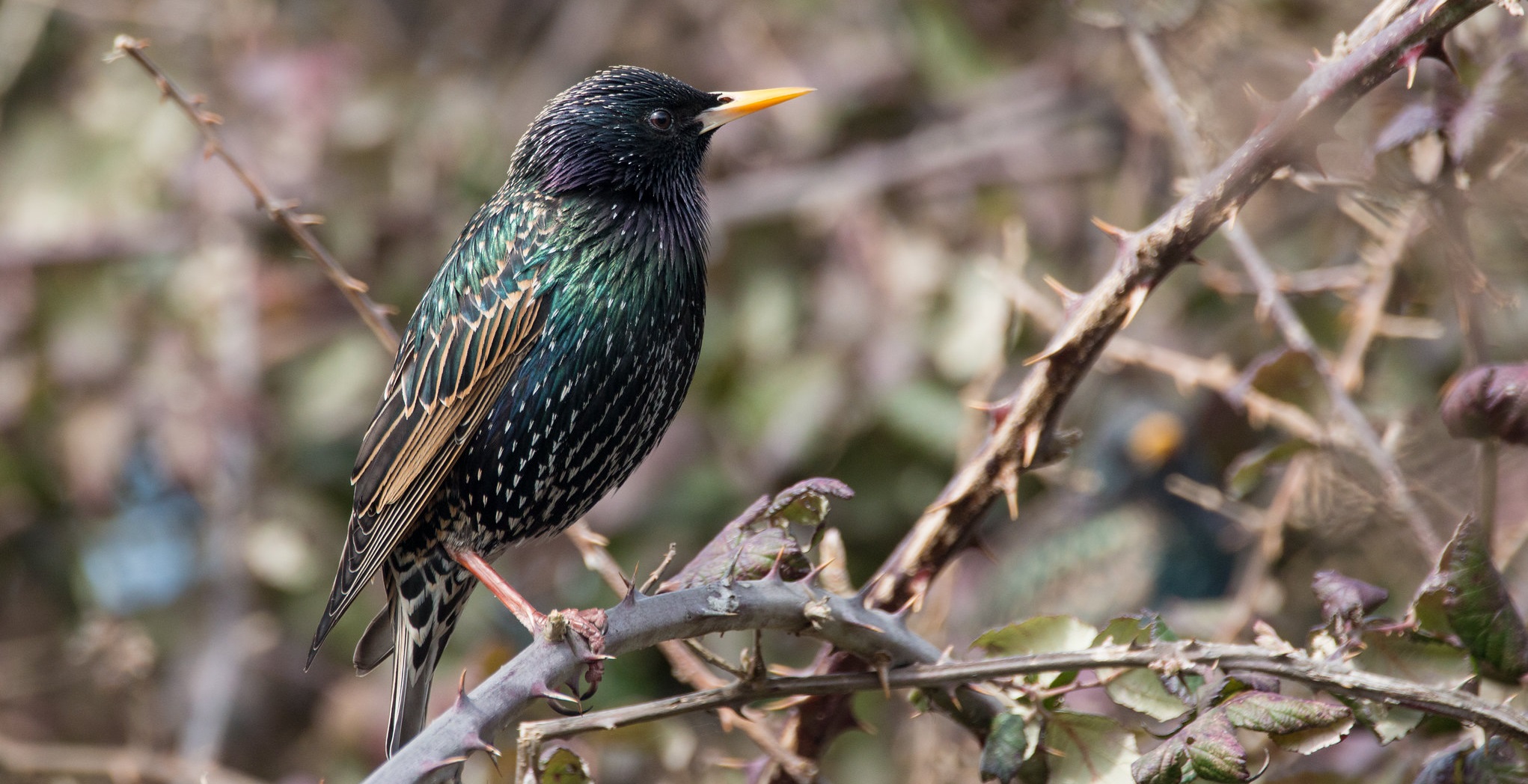
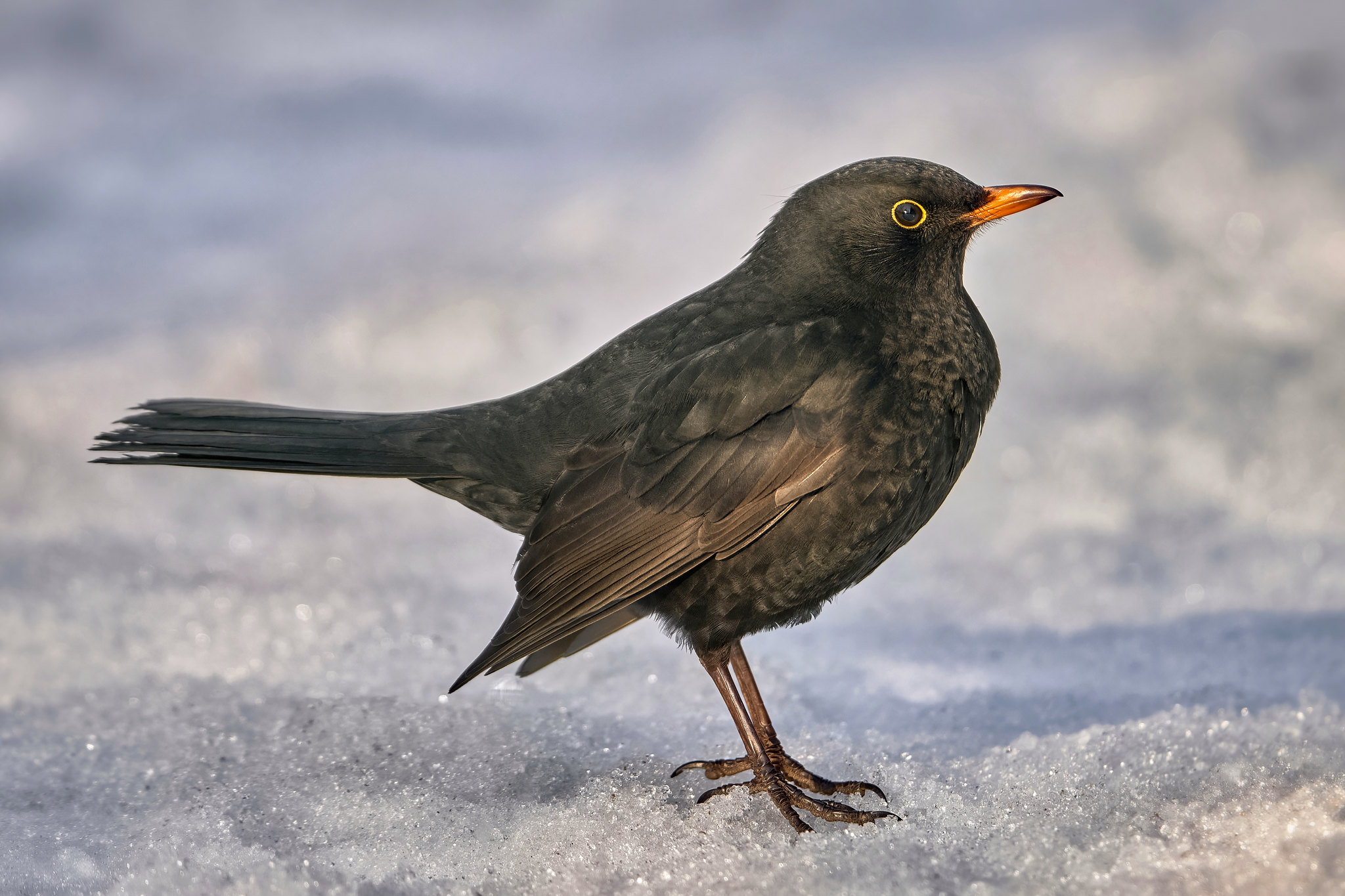
Starling or Blackbird?
StarlingBlackbird

Songs, calls and photos of the birds of Britain and Ireland. Pick the description closest to what you heard, or search by name.
Start with the place. A garden, a river or a moor rules out most species before you press play.
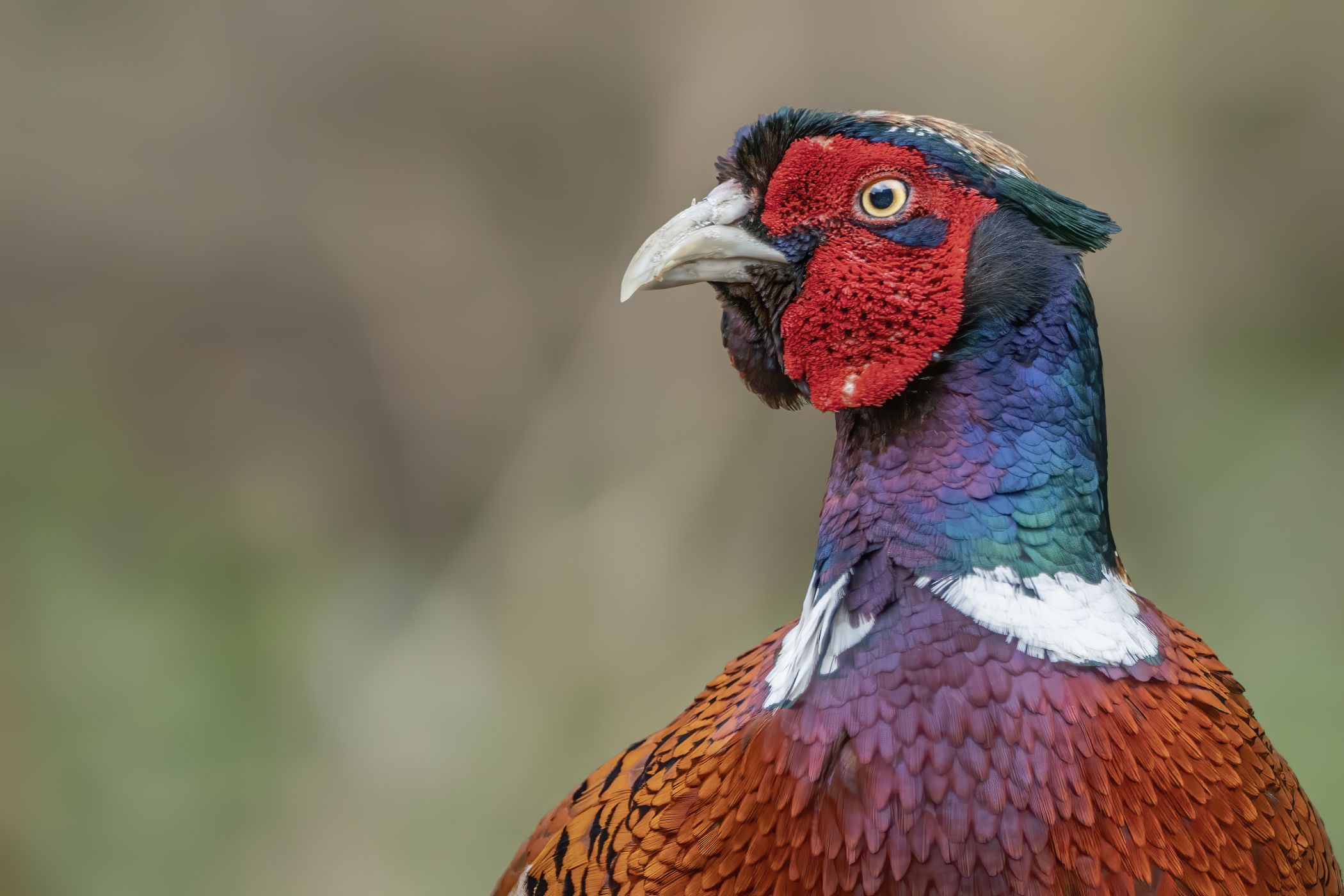
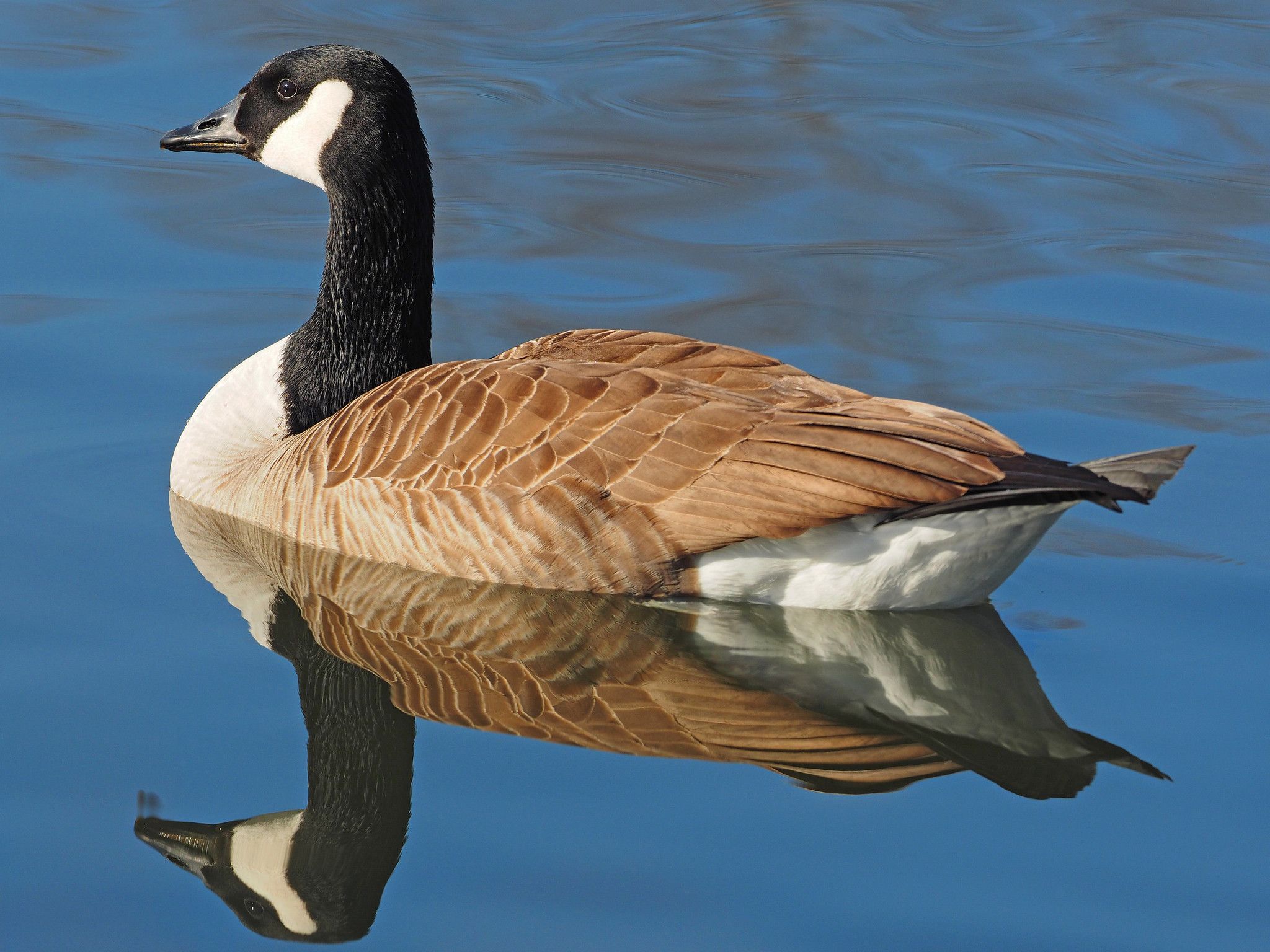
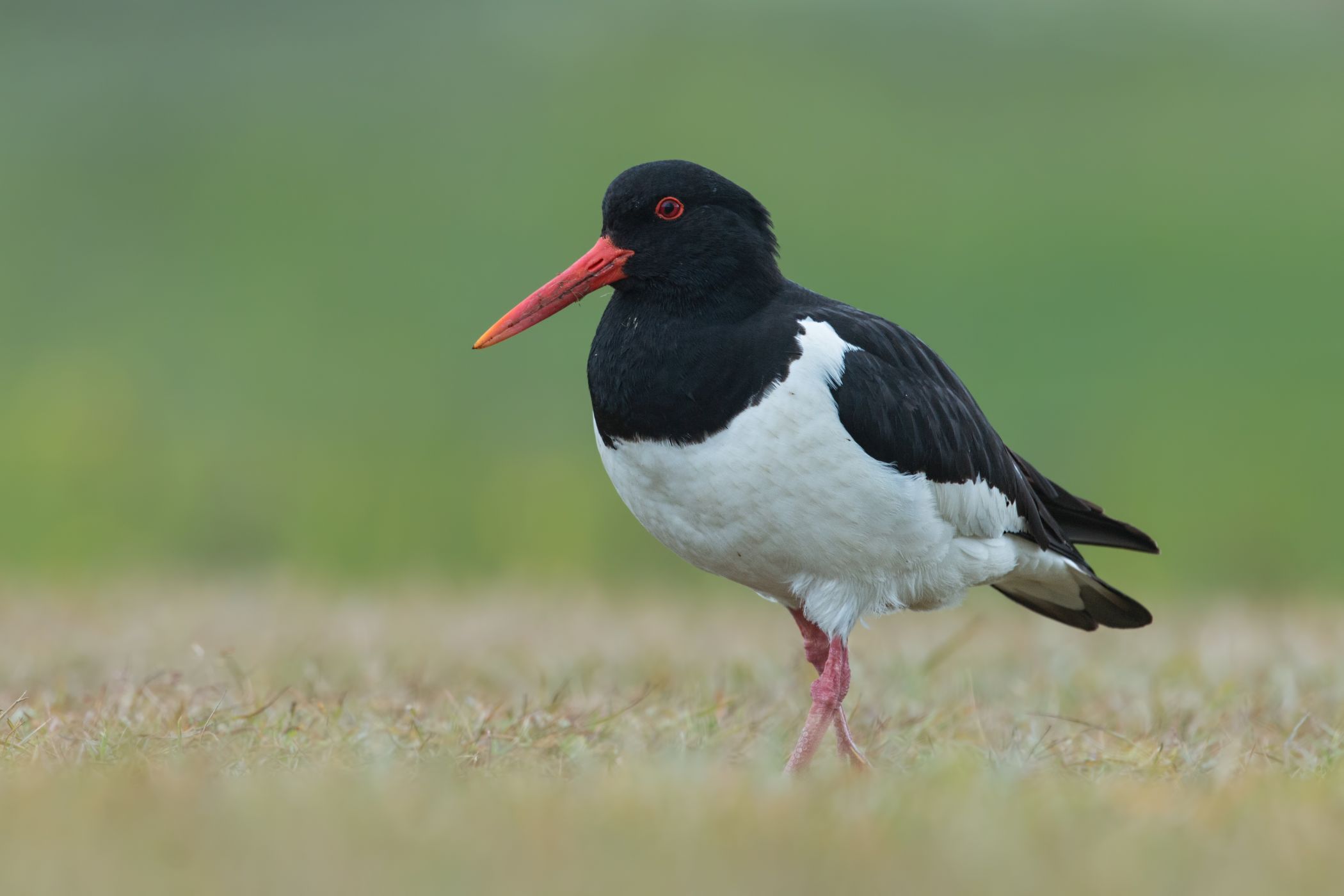
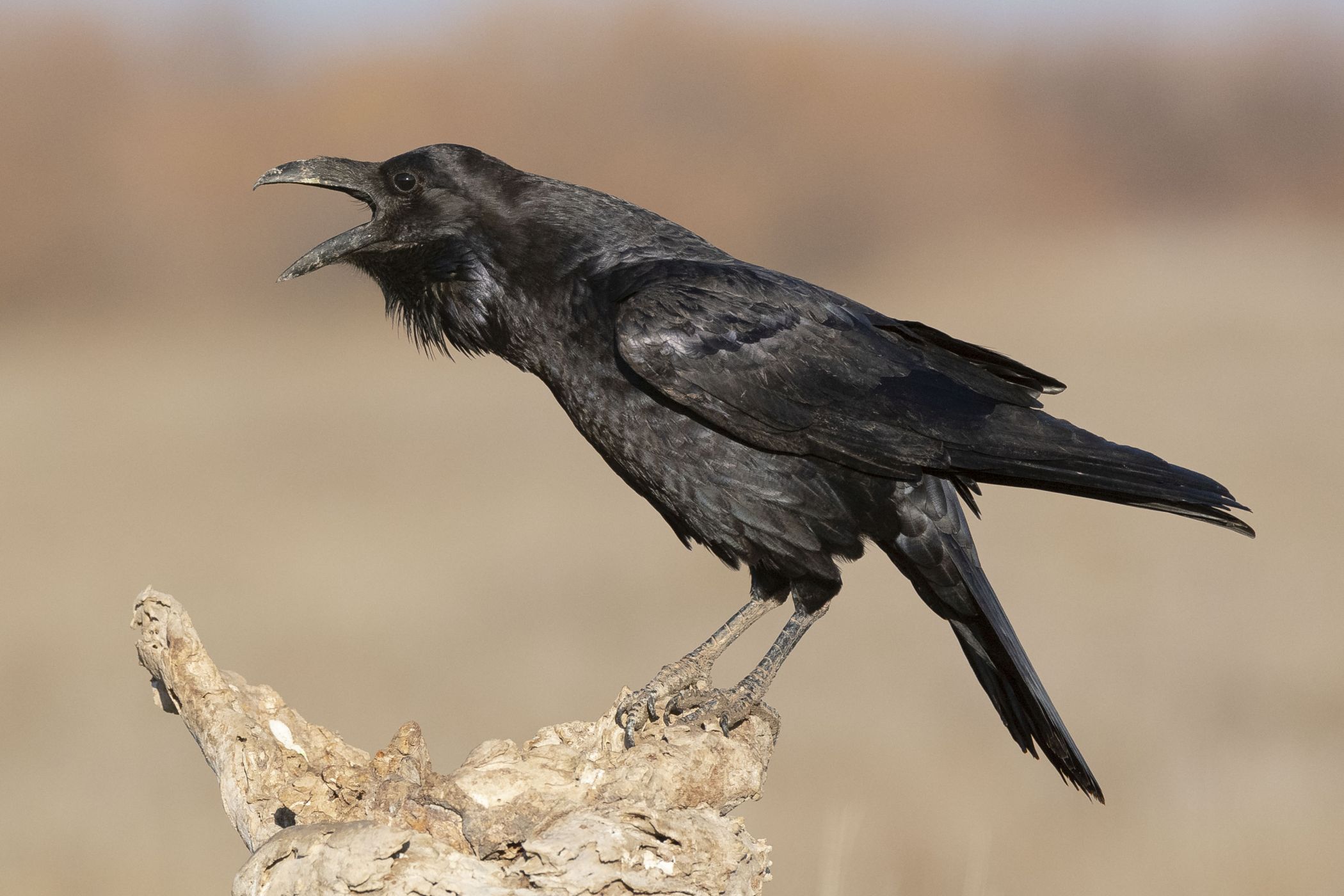
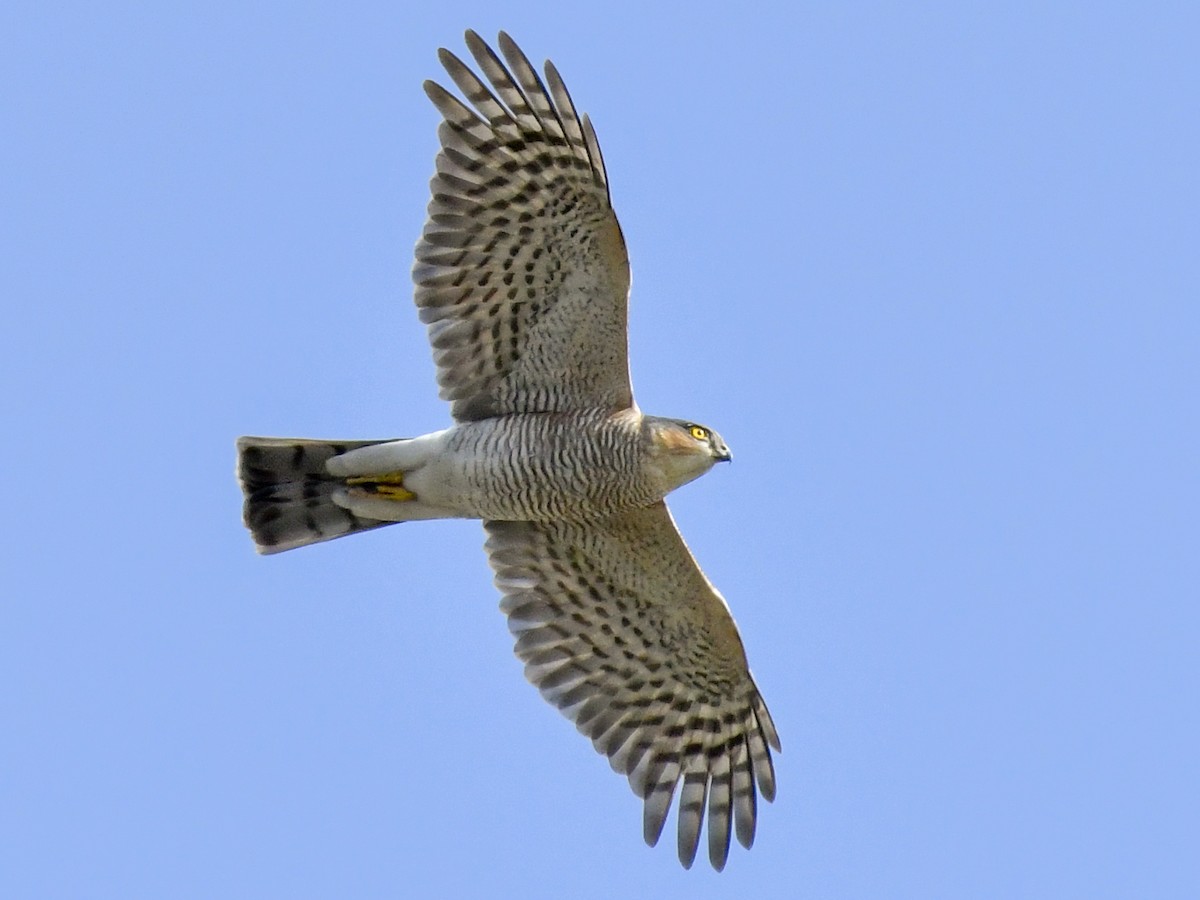
The birds people in Britain and Ireland search for most often.
Play the two voices one after the other: the difference is easier to hear than to describe.
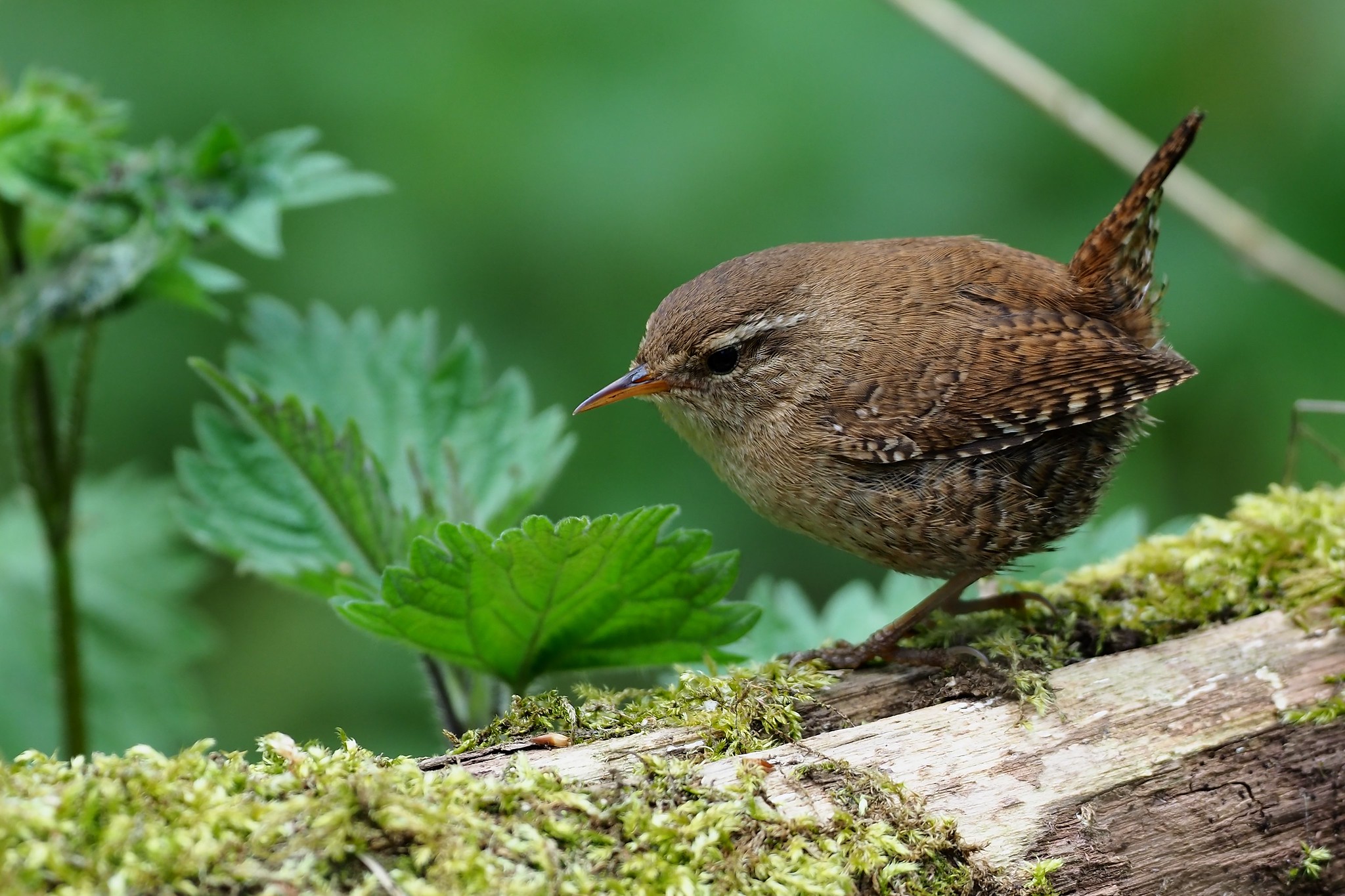
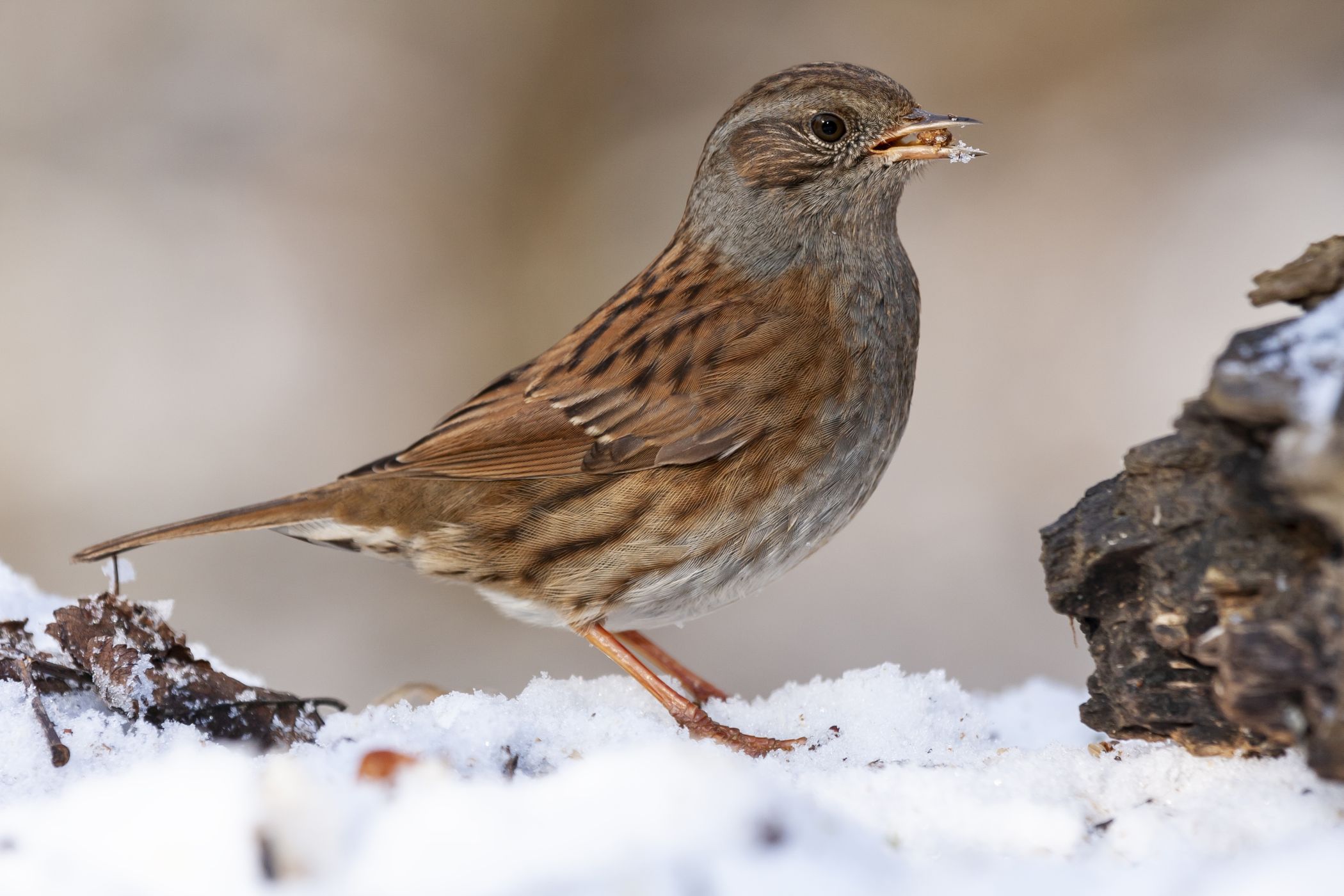
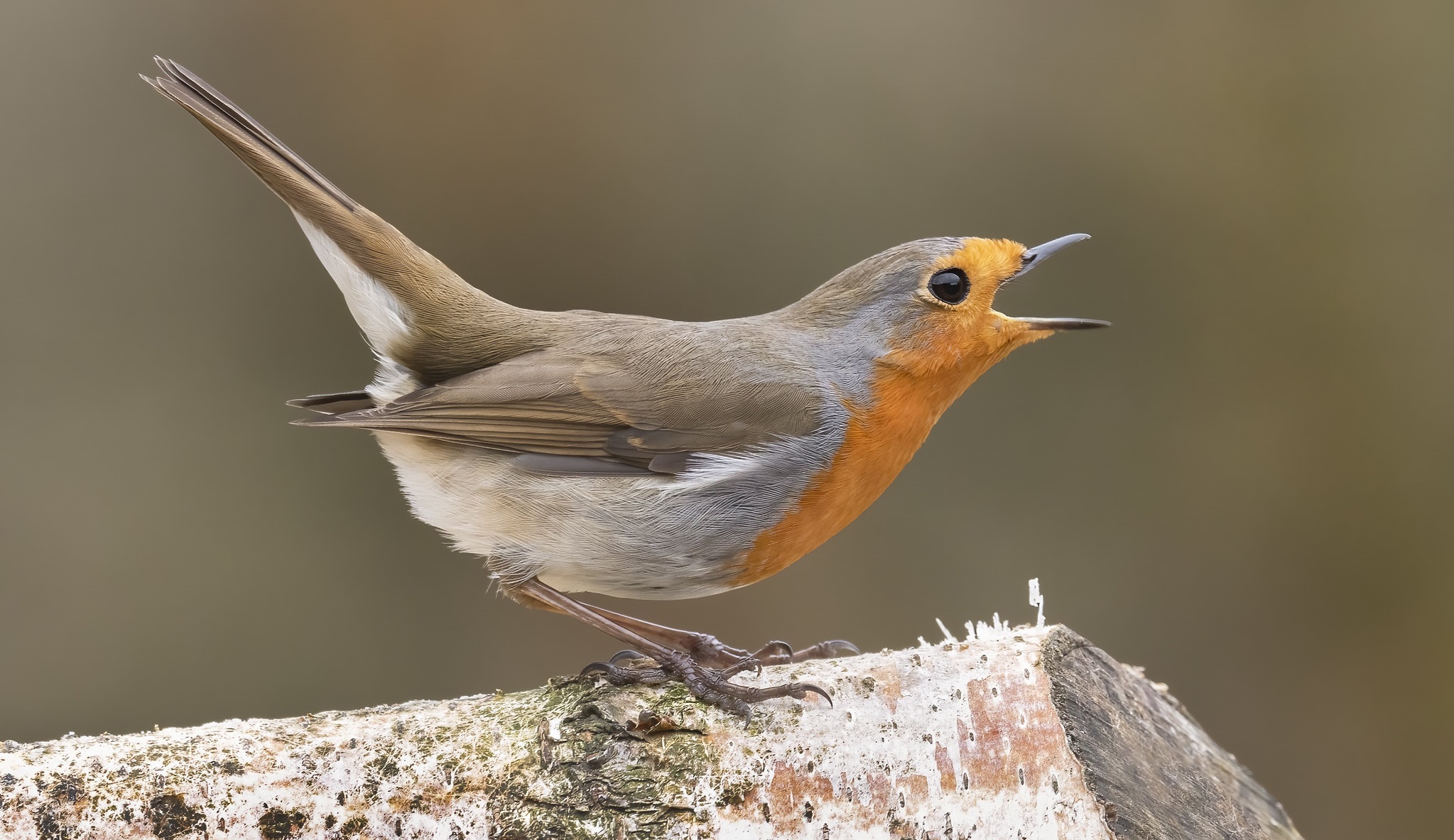
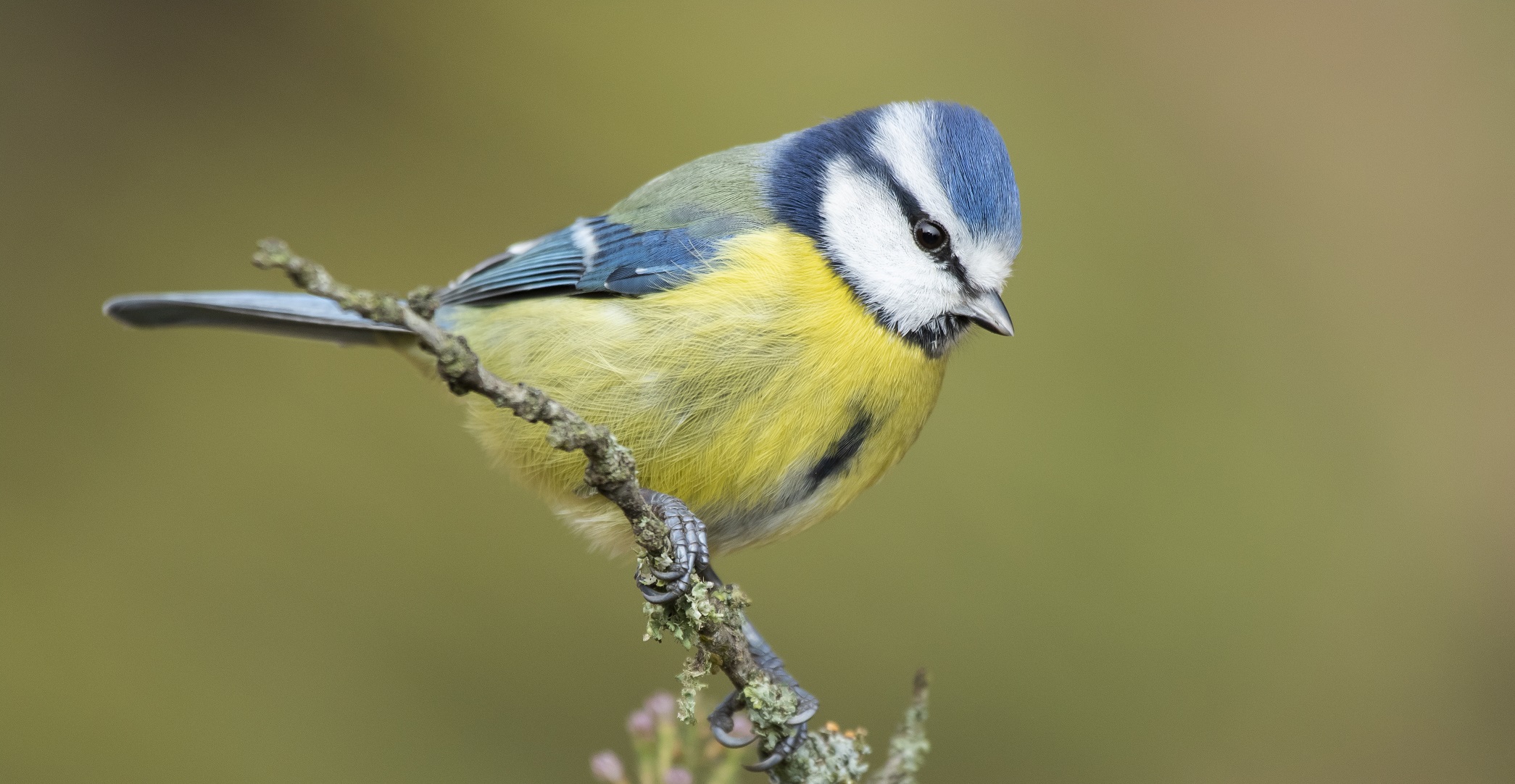
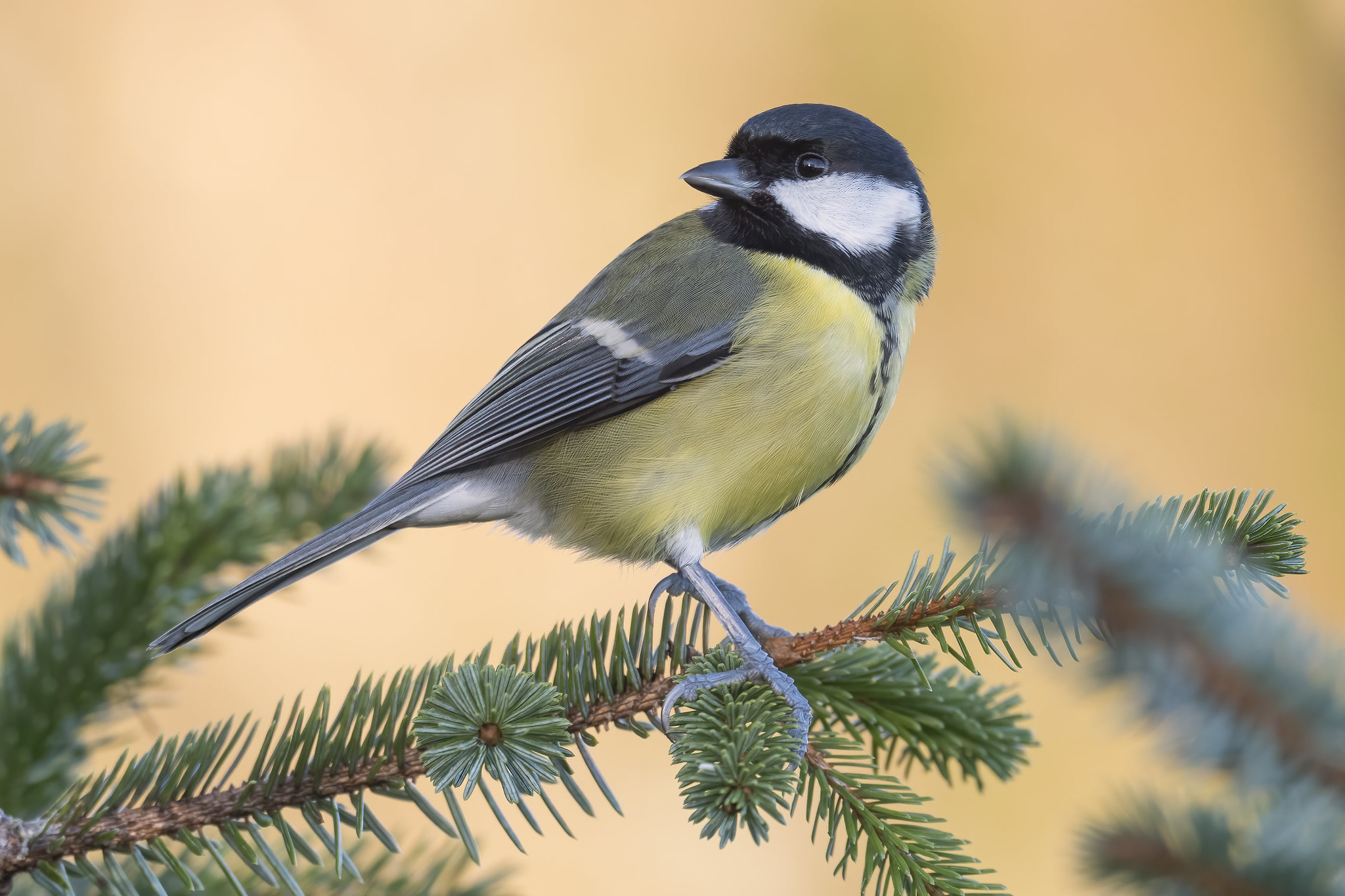
Species you can expect to hear this month.
Every species comes with several photos, from different angles and often from different times of year.
Handy when you know it was some sort of tit or finch, but not which one.
Begin with the birds you already hear every day. In most British and Irish gardens that means the Robin, the Wren and the Blackbird. Once those three are fixed in your head, a good share of unknown voices can be ruled out straight away.
After that, compare rather than memorise. Is the new song thinner than a robin’s, does it repeat one squeaky phrase like a Great Tit, or does it pour down from high overhead like a Skylark? Each species page sets out in plain words what to listen for.
The Robin above all: males and females both sing through the winter, each defending a separate patch, and the winter song sounds thinner and sadder. Blackbirds also sing quietly to themselves in the colder months; only September and October are truly silent for them.
A small falcon hanging still in the air beside a busy road is almost certainly a Kestrel. Grassy verges hold plenty of voles, and the bird scans them from 10 to 20 metres up.
Often not. Many birds, from the Kingfisher with its sharp whistle in flight to owls at night, are found by sound first. A clear memory of the call and a note of where you were will usually settle it.
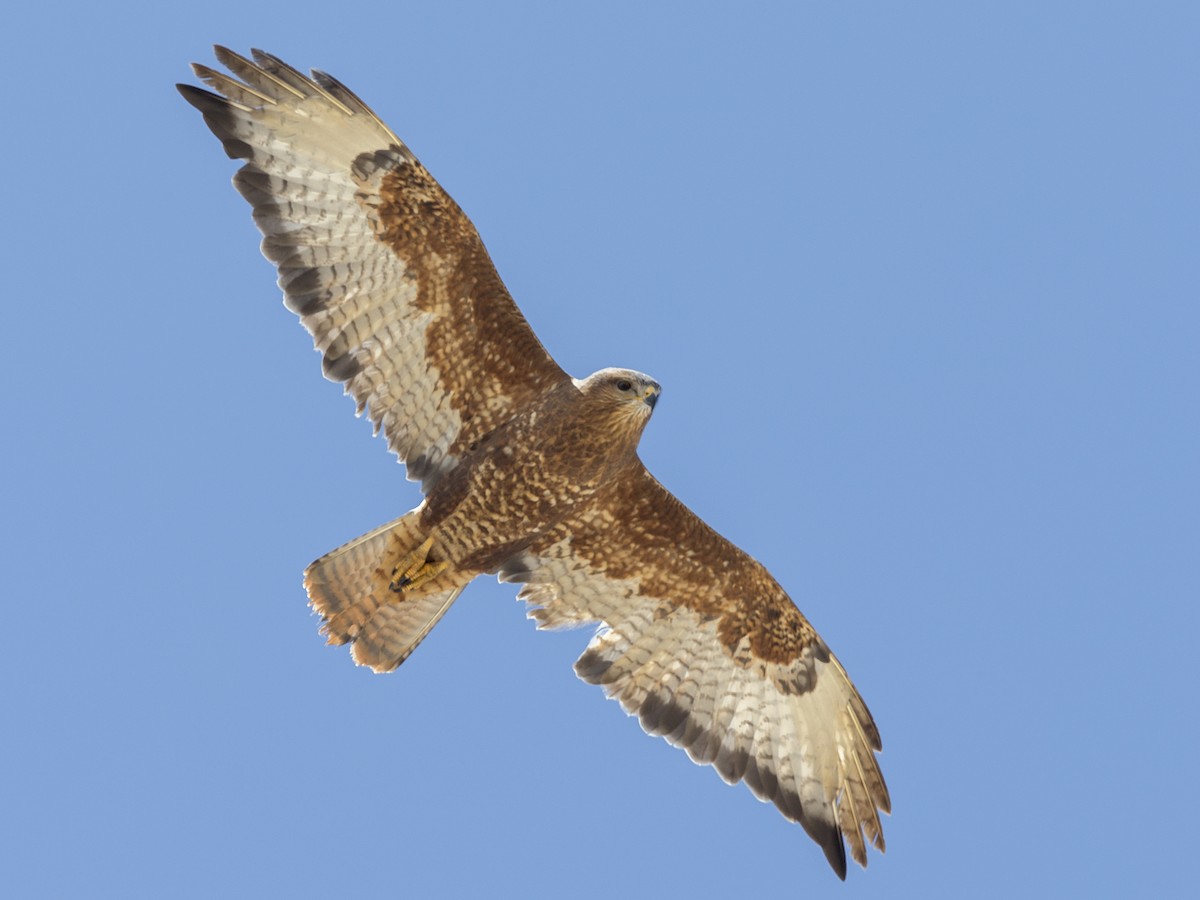 Buzzard
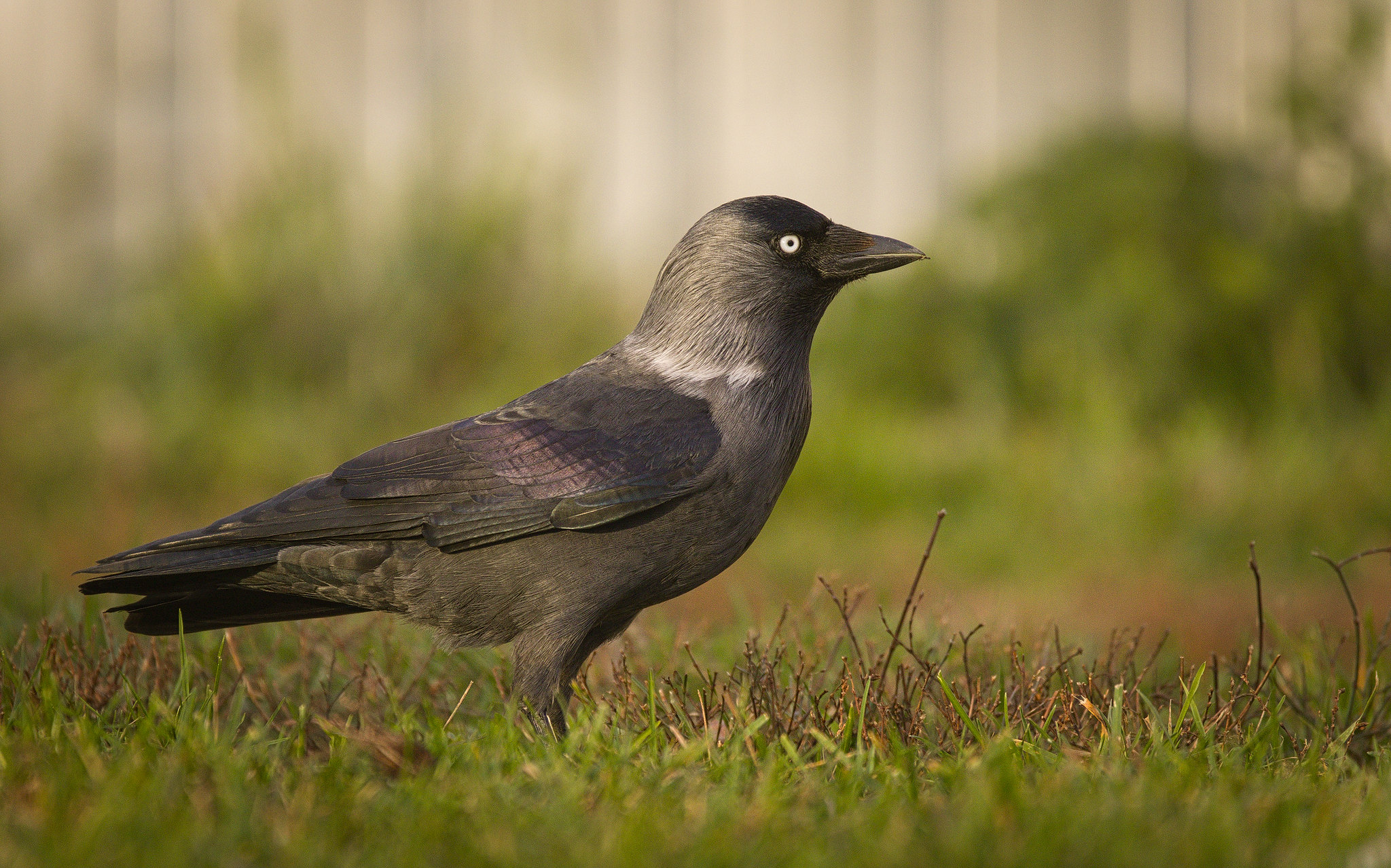 Jackdaw
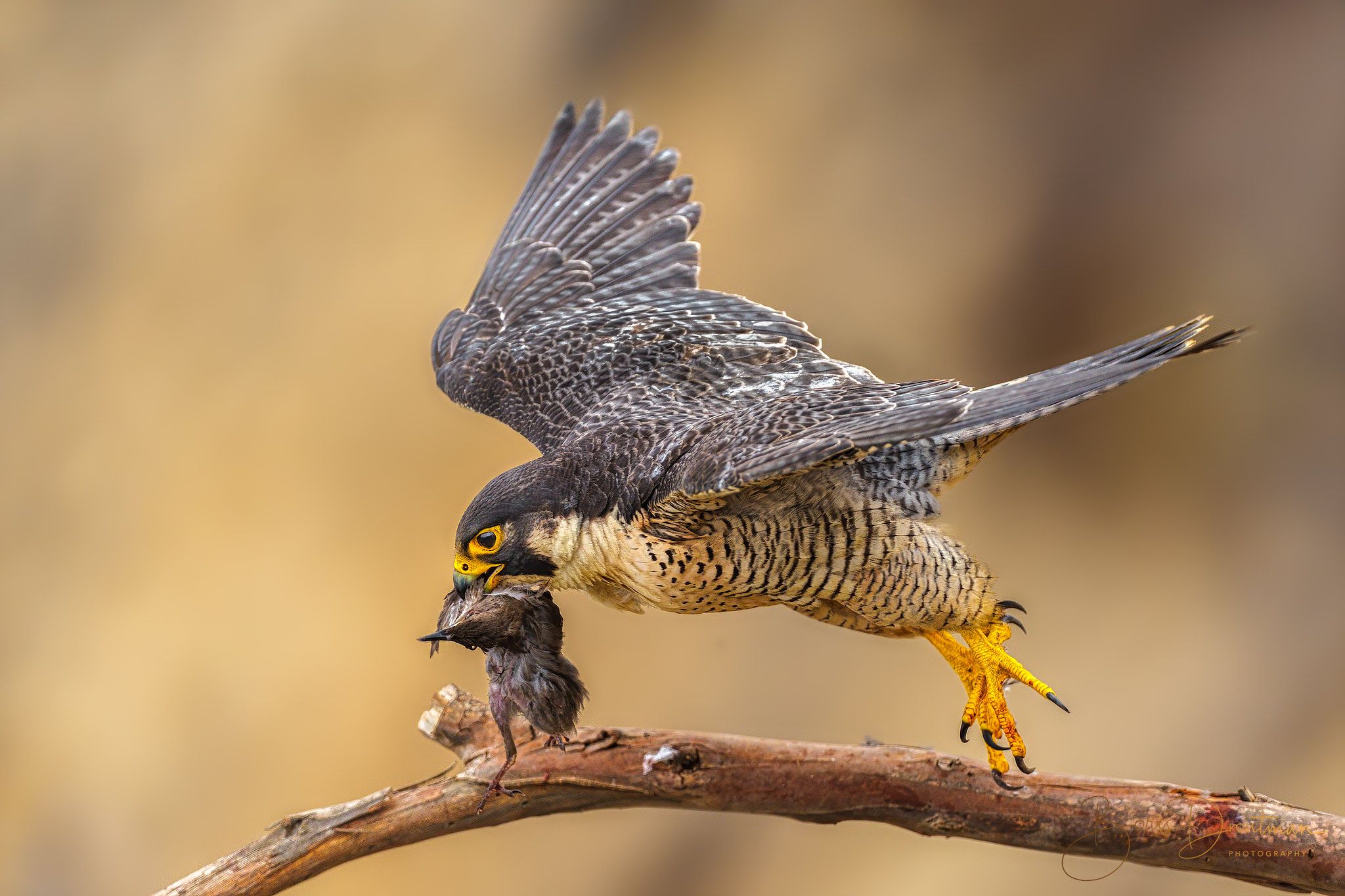 Peregrine
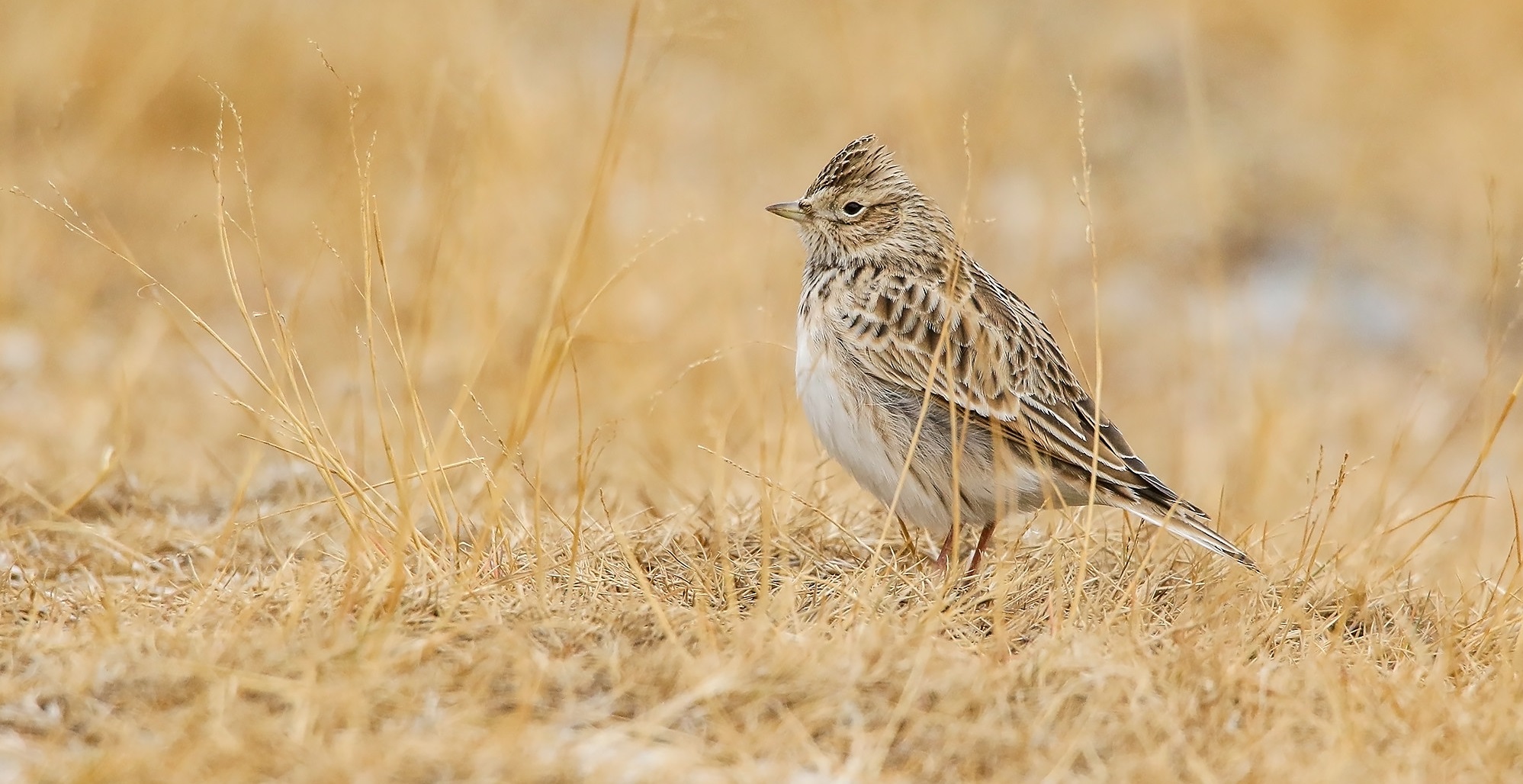 Skylark
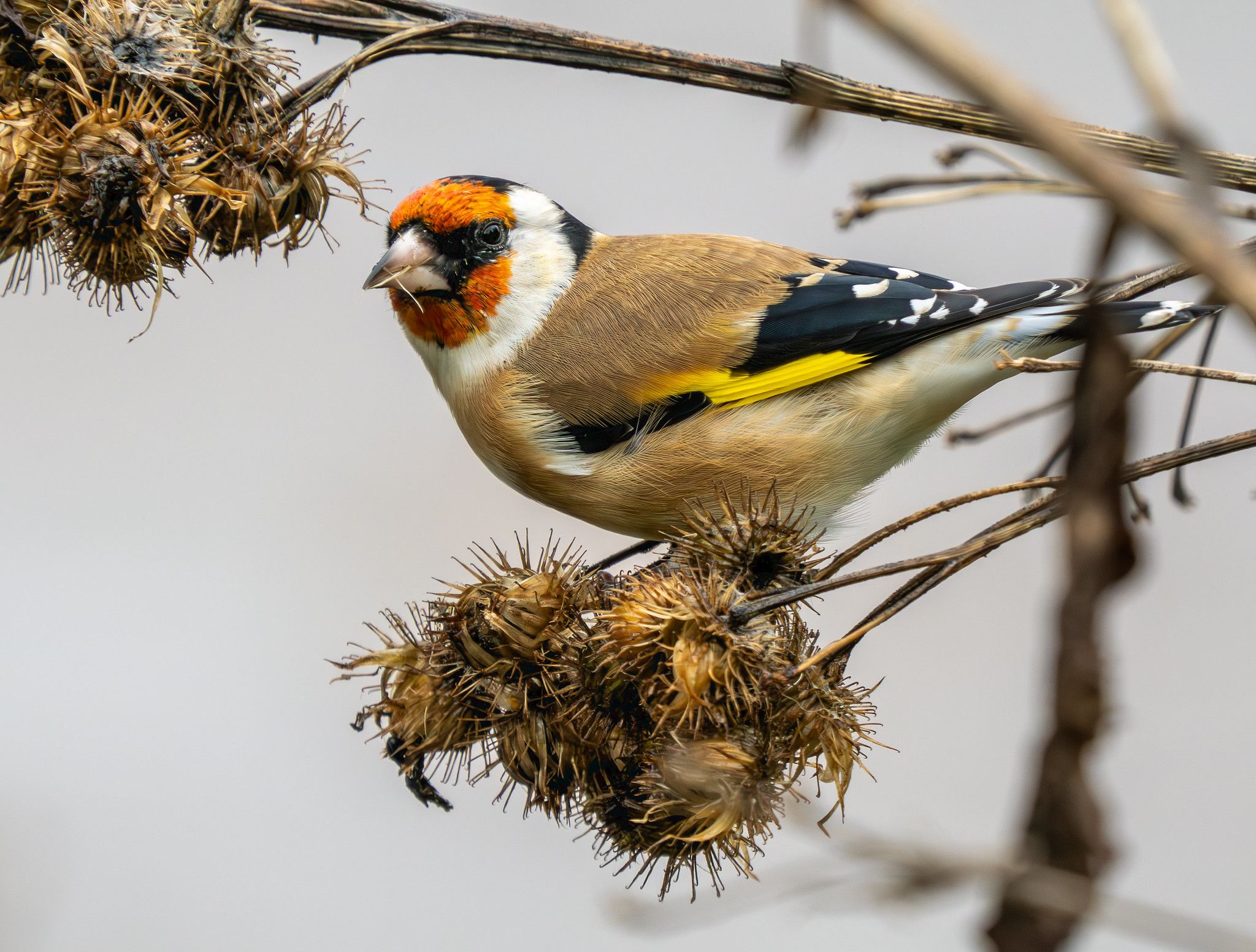 Goldfinch
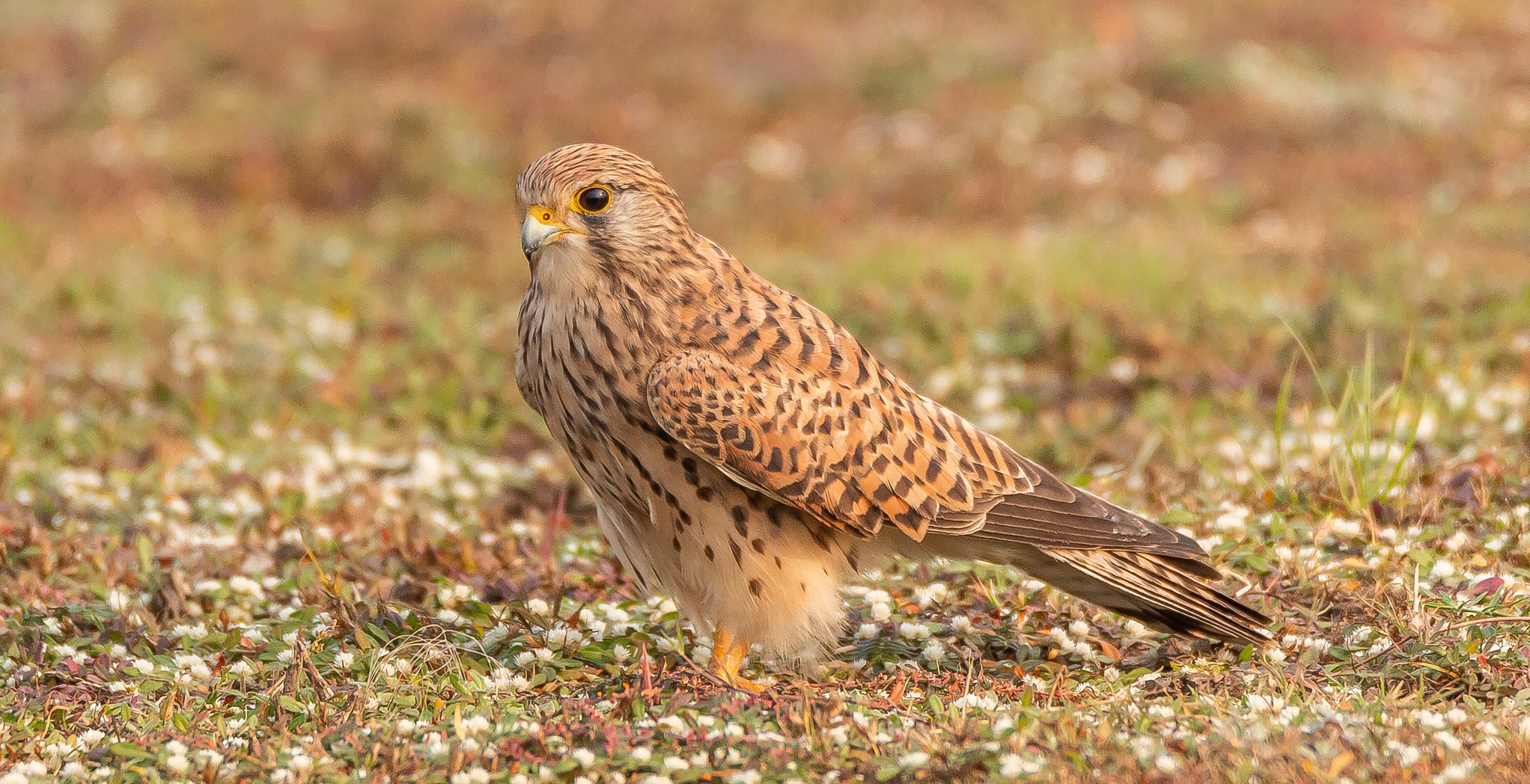 Kestrel