
Garden birds, most searched first
The bird people look up most often sits at the top. Press the play arrow on any row and you can hear two suspects back to back before opening either page.
Tiny birds that make the most noise
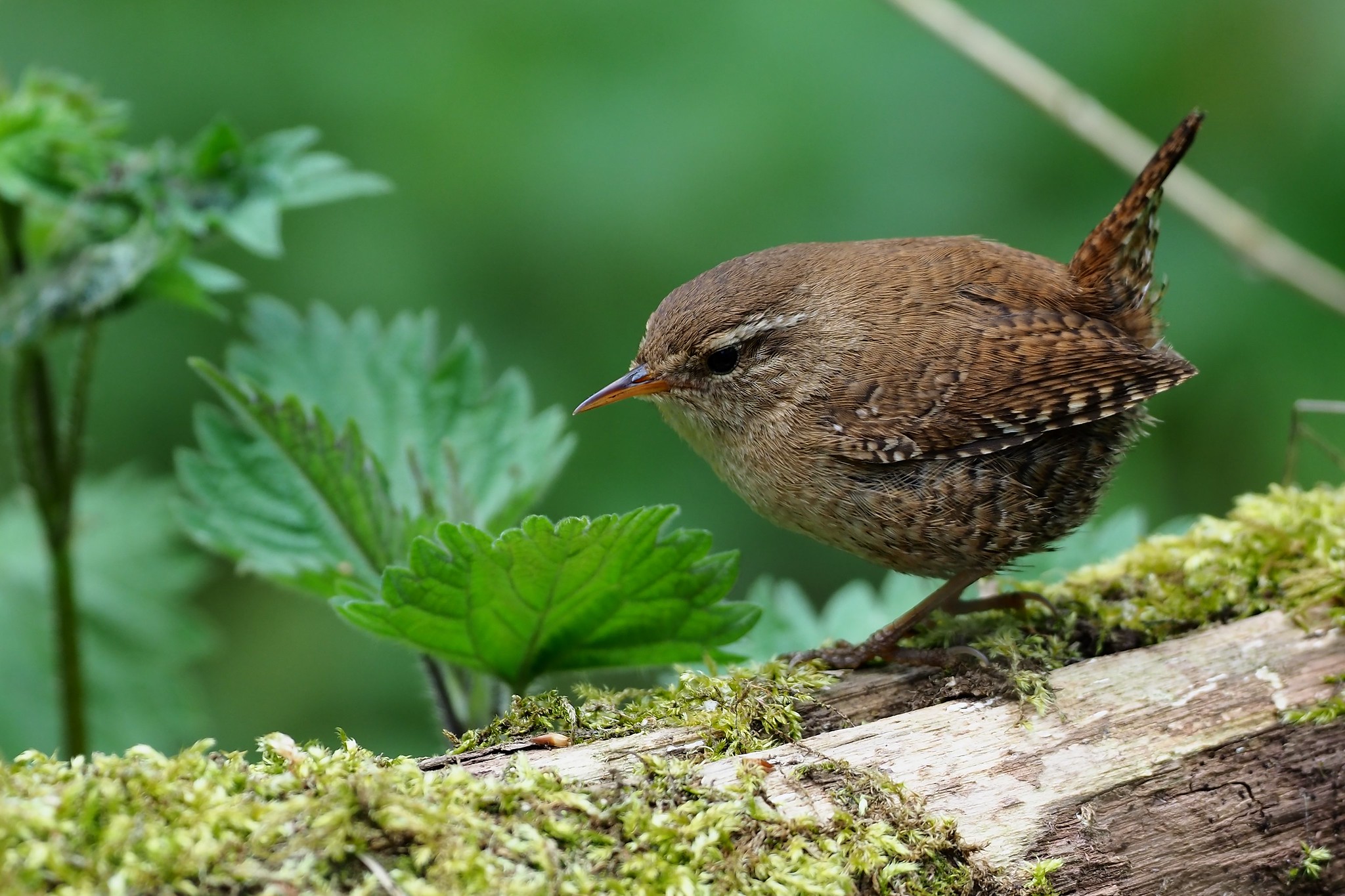
The Wren weighs about 10 grams, yet gram for gram it is around ten times as loud as a cockerel. Its song is a long cascade of tinkling trills that pours out for several seconds. When something bothers it, the hard ‘tic-tic-tic’ speeds up into a dry churr, rather like a wind-up toy slowing to a stop.
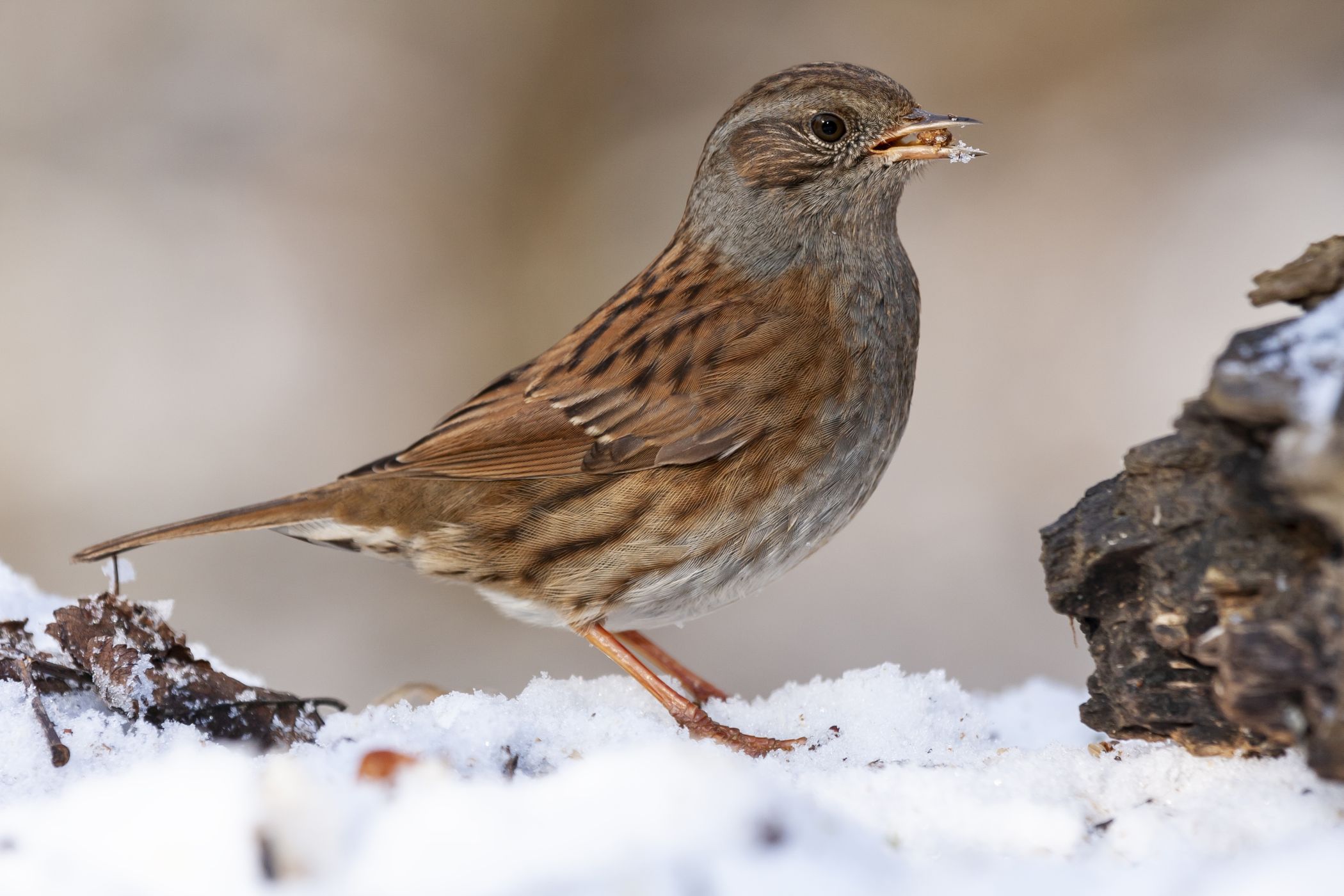
The Dunnock is easy to overlook: a robin-sized, streaky brown bird shuffling about under the hedge. A shrill ‘tseep’ usually betrays it, and the song is quick, thin and sweet. Behind the drab plumage sits an unusual family life. DNA tests have shown that a single brood frequently has more than one father.
Who is still singing in December
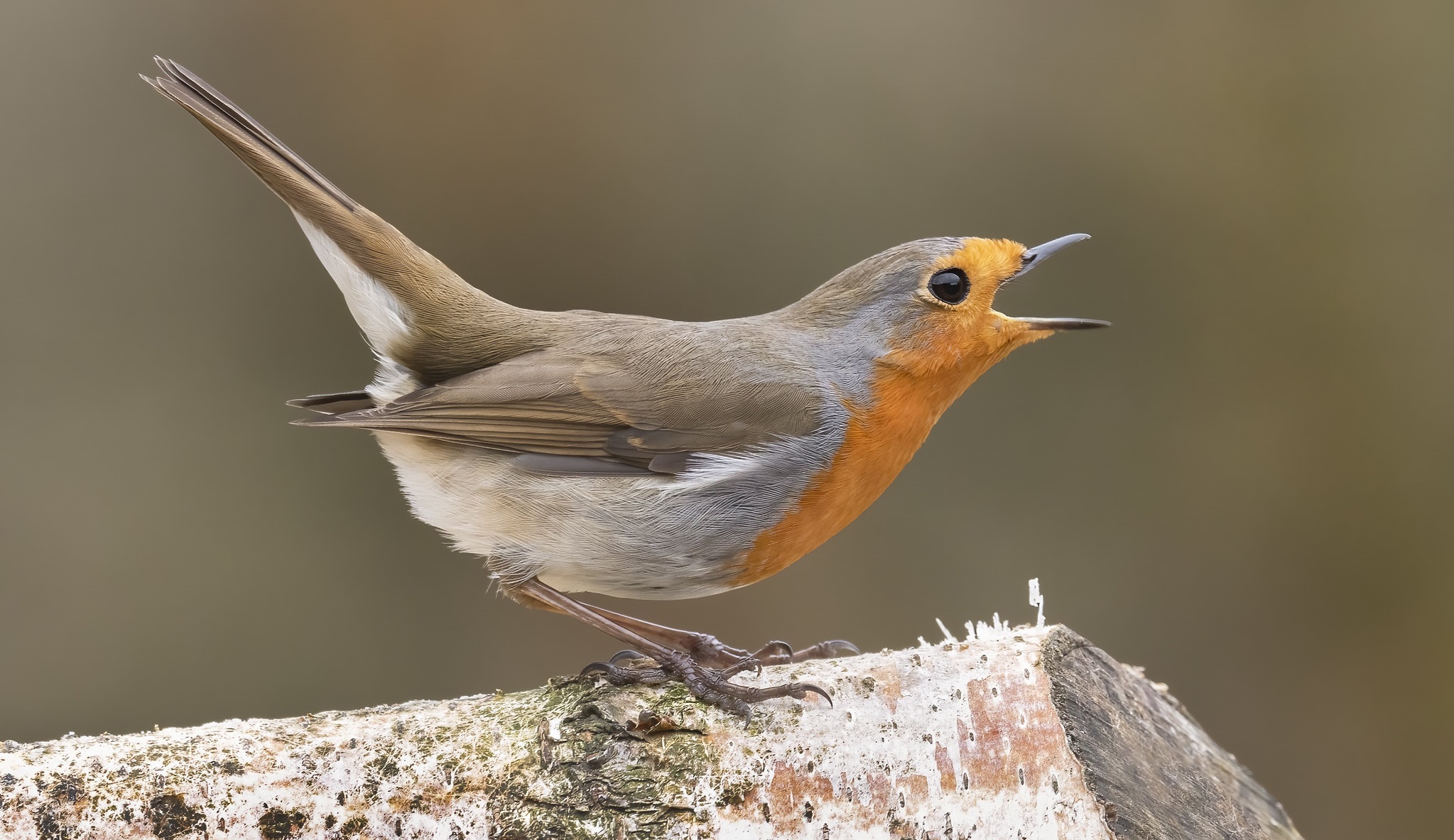
On a grey winter afternoon, thin and wistful phrases from the shrubbery almost always belong to the Robin. Males and females both sing all year, and in winter each defends its own patch, so two robins may answer each other across one garden. The winter version sounds sadder than the spring one. Robins have even been seen catching insects by moonlight or under street lamps.
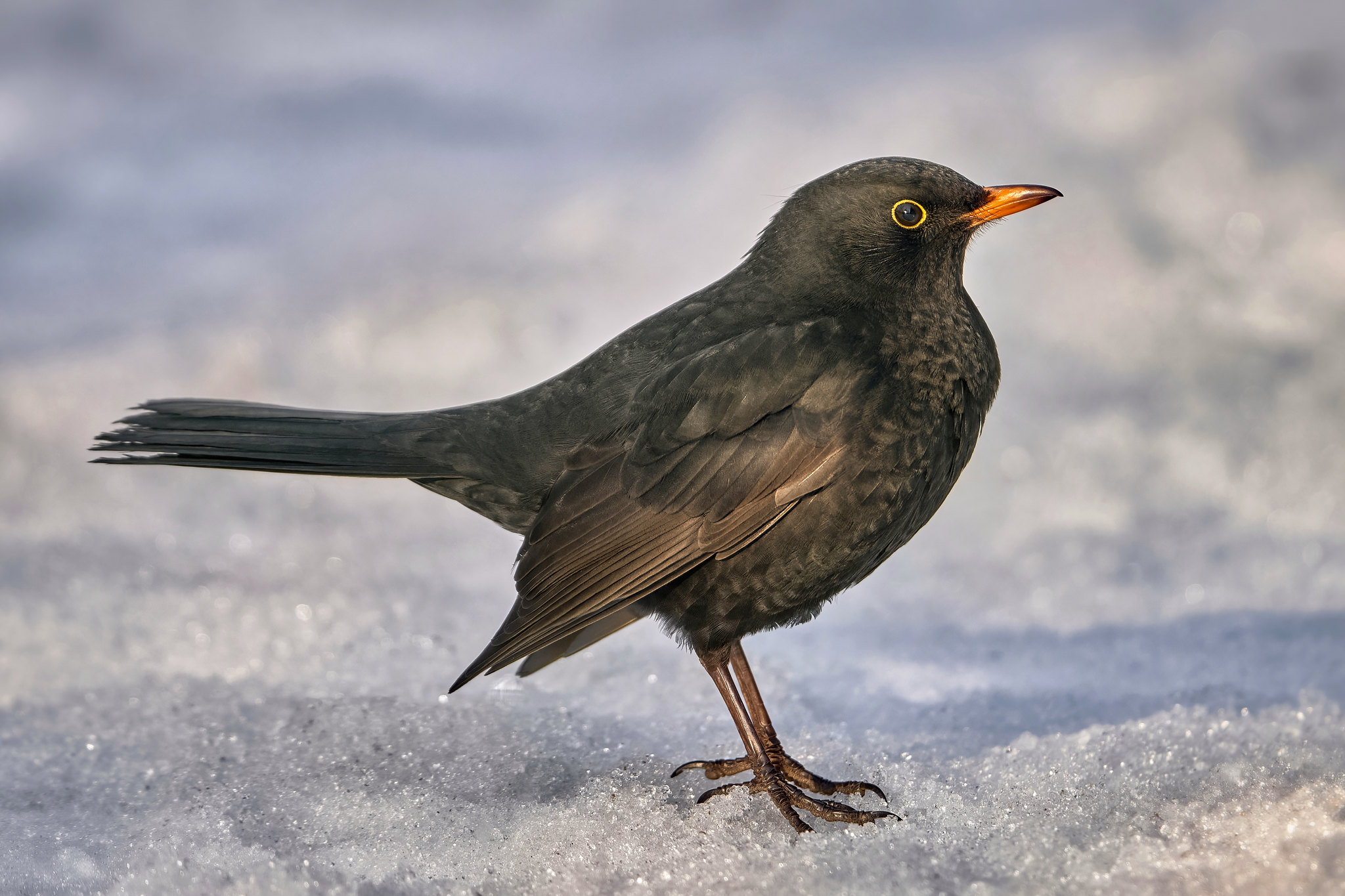
The Blackbird keeps a stricter timetable. Young males may begin in late January if the weather is kind, older males join from late March, and the low, fluting song carries on into June or early July. Only in September and October is it missing altogether. At dusk, listen for a male’s loud ‘chink-chink’ as he tries, mostly in vain, to stop other blackbirds roosting on his ground.
Copycats and chatterers on the roof
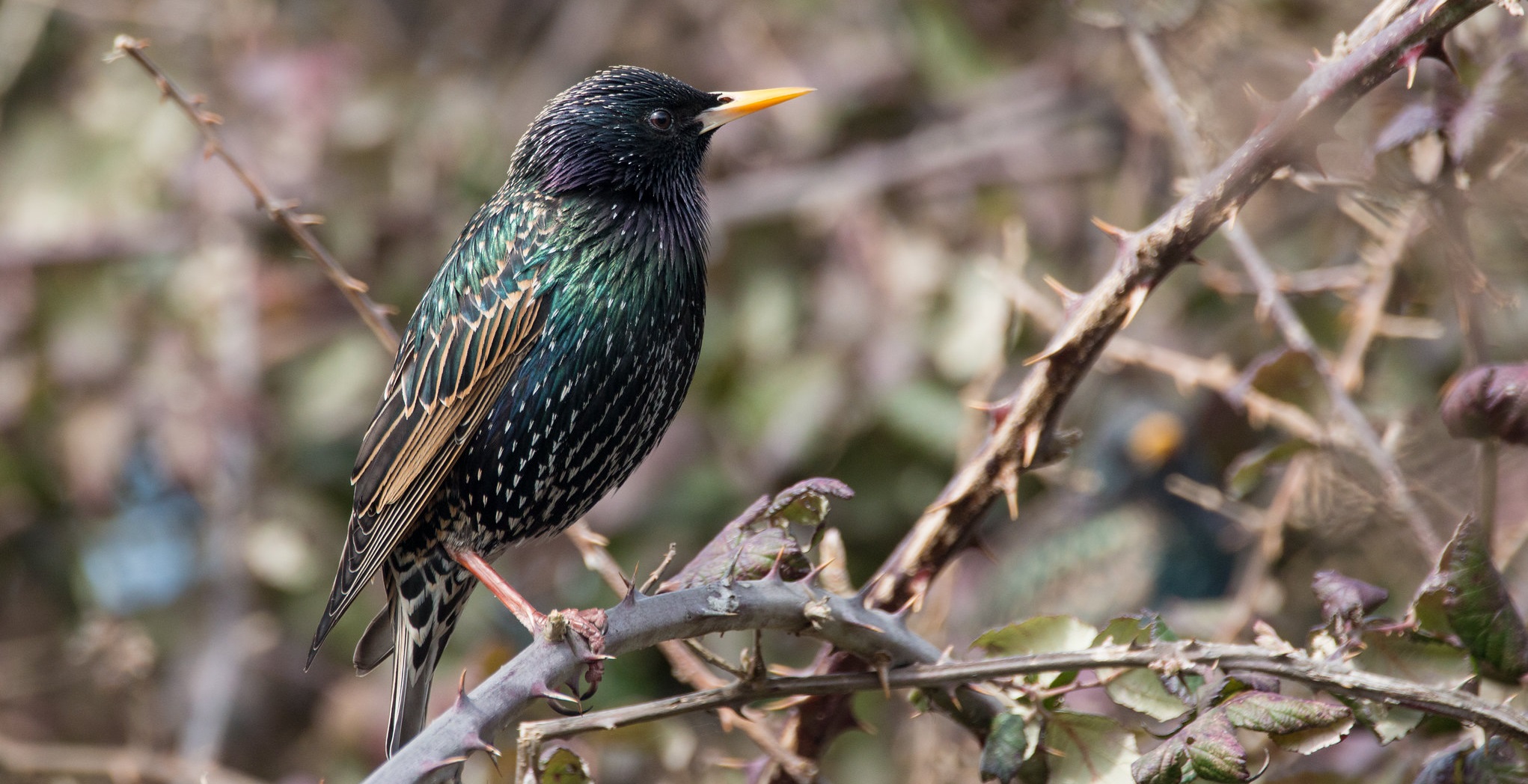
A Starling on the television aerial runs through a whole programme: a few pure whistles first, then clicks, rattles and stolen fragments of other birds and of man-made noises. One bout often lasts a minute or longer. Some wild starlings have copied a sound after hearing it a single time, so a strange noise from the roof deserves a second look.
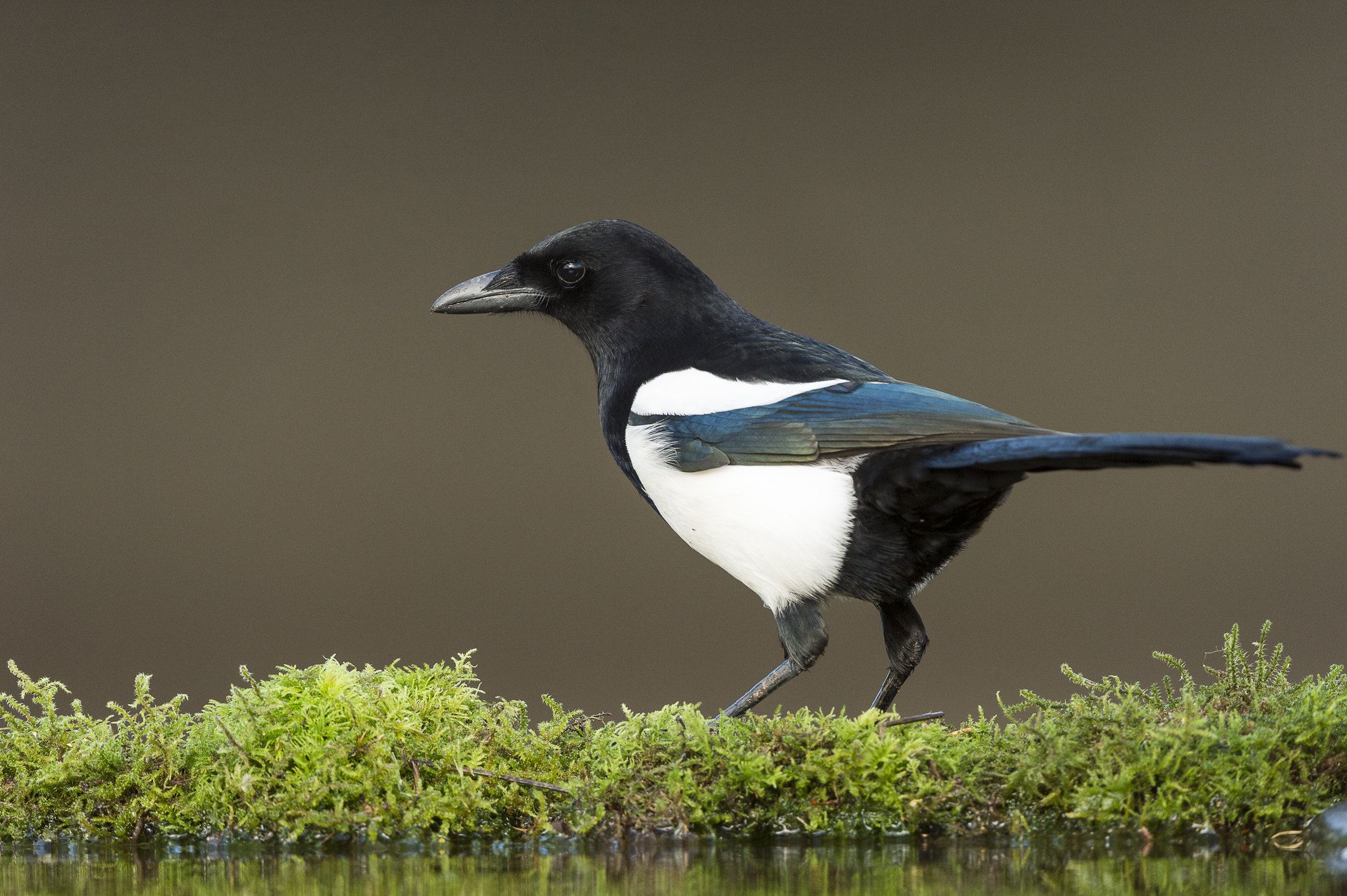
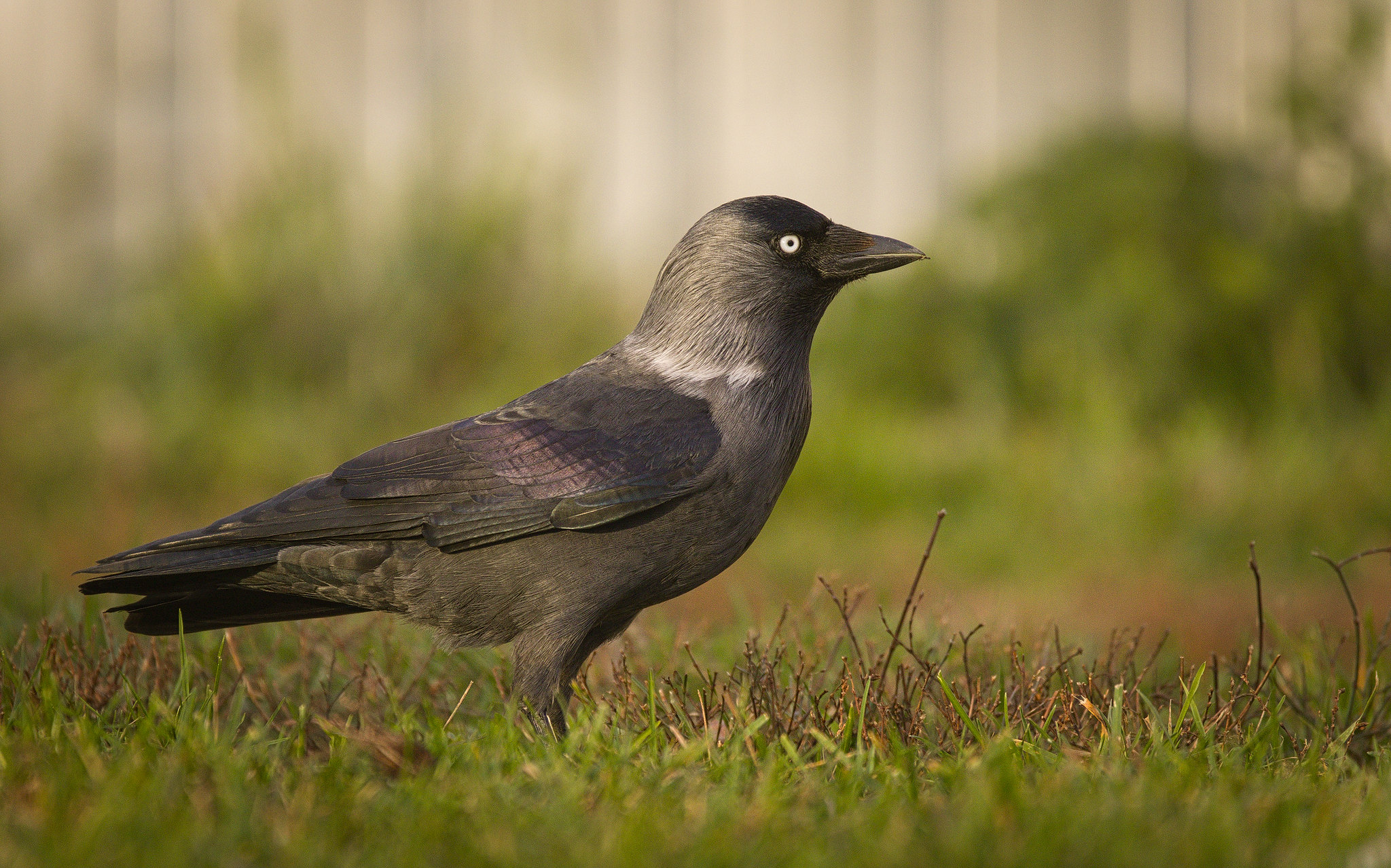
Lower down the musical scale come the crows. The Jackdaw gives a squeaky, metallic ‘chyak’, mostly in flight, and pairs stuff sticks into holes in trees, cliffs and buildings; one old country name was chimney-sweep bird. The Magpie answers with a rattling ‘chac-chac-chac’. Both belong to the crow family.