What that blue streak over the river was
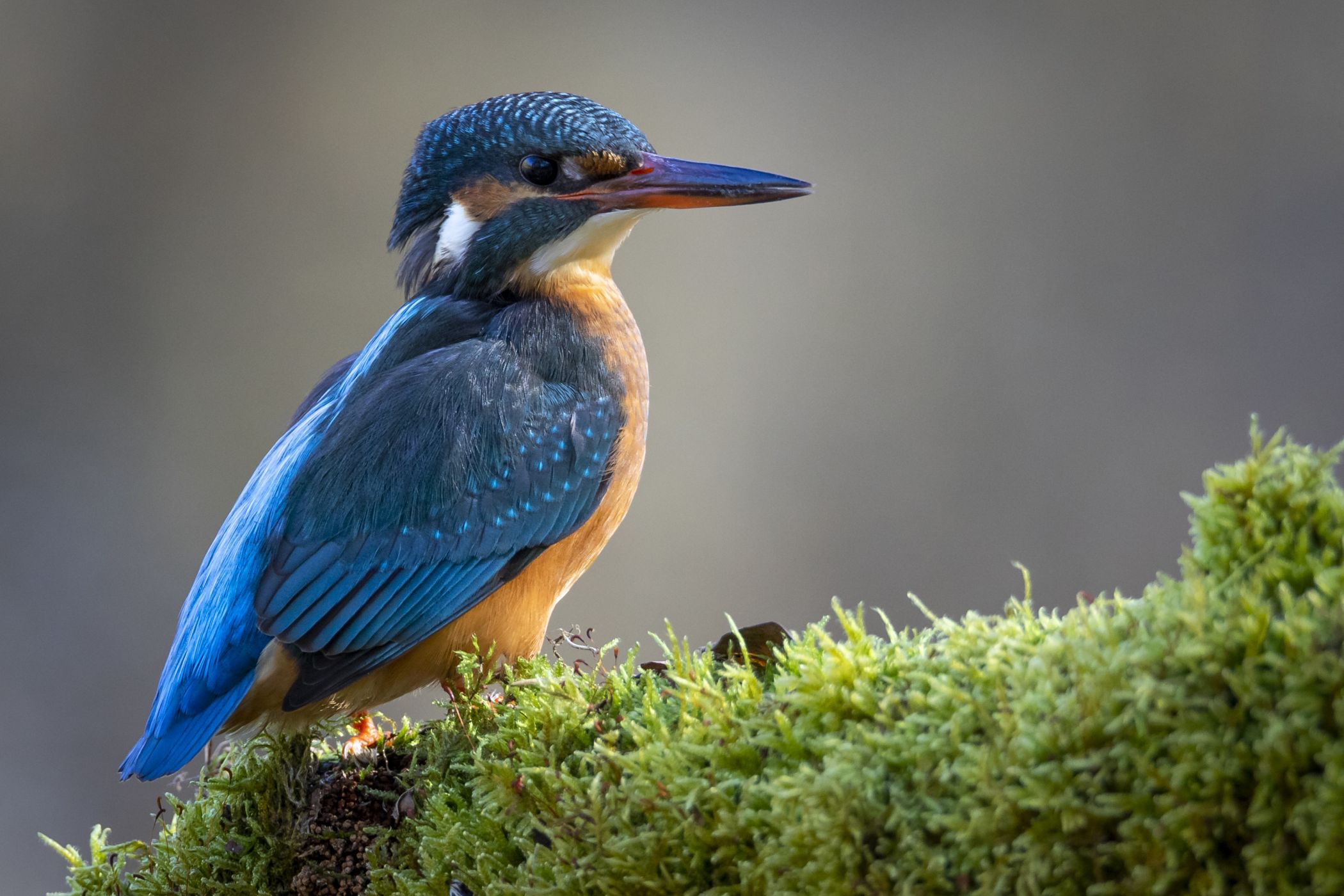
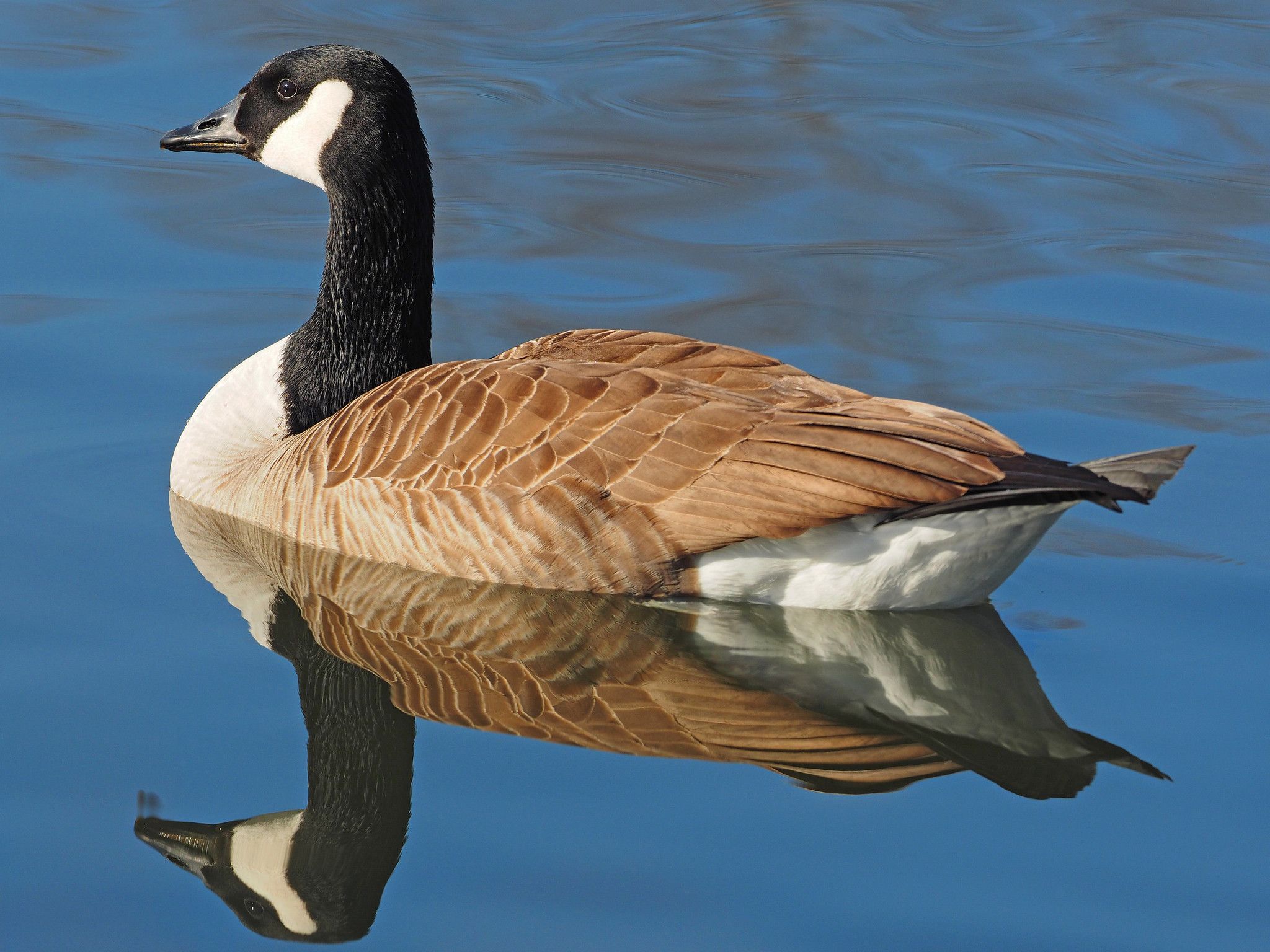
A Kingfisher has no song at all. What you hear is a sharp ‘chee’, two or three times, as it shoots low along the water, and if it is heading away from you the back shows as a streak of electric blue. To fish, it waits on a low branch or post one to two metres above the surface, peering straight down.
Clear water with bushes on the bank suits it best, because it hunts by sight. Hard winters are the real danger: cold and hunger kill most kingfishers, and one severe winter can remove a large share of them. Along faster streams the Grey Wagtail calls sharply in flight and pumps its long tail; despite the name, it has yellow at the throat and under the tail.
Honks, hisses and barking out on the lake
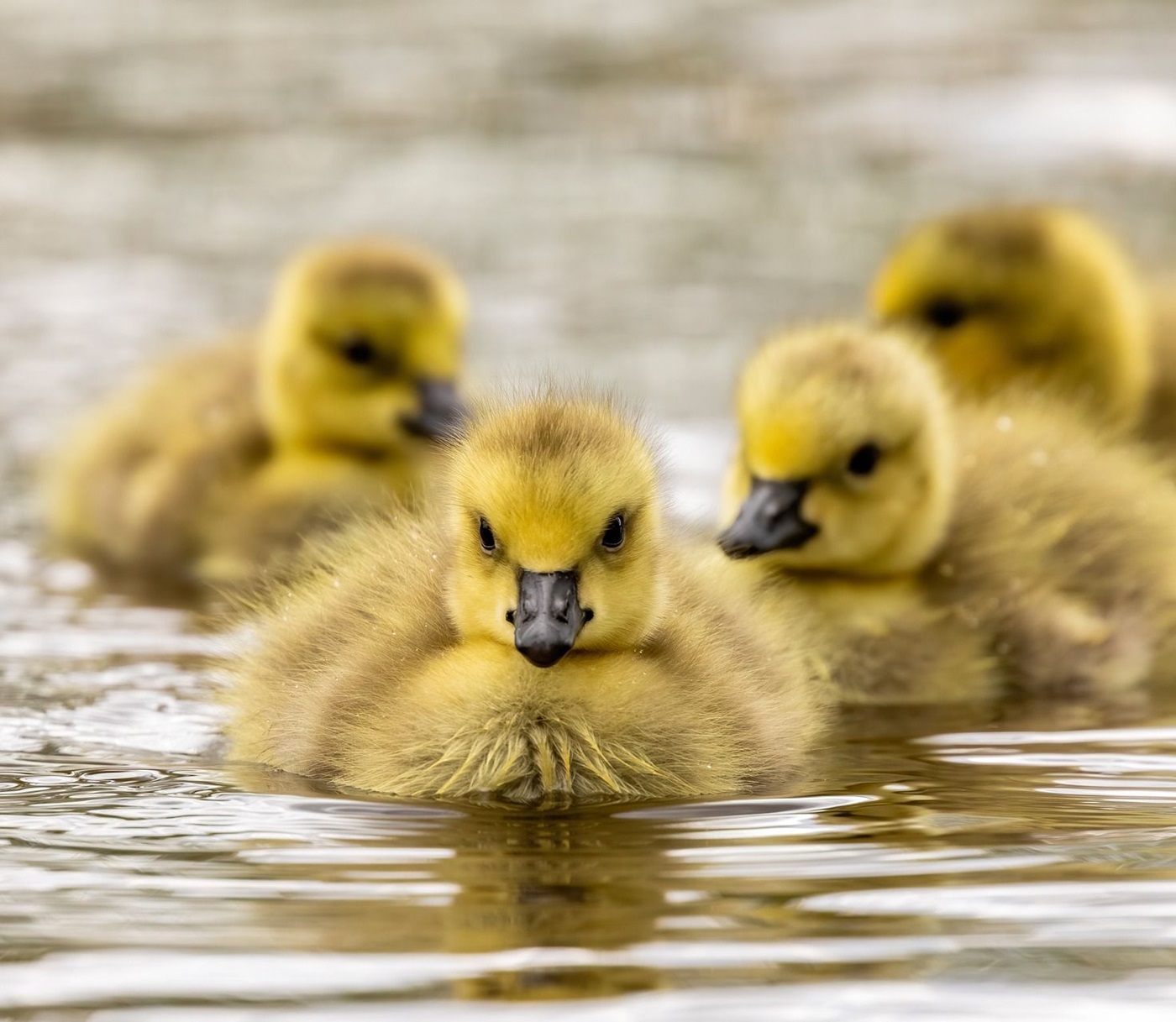
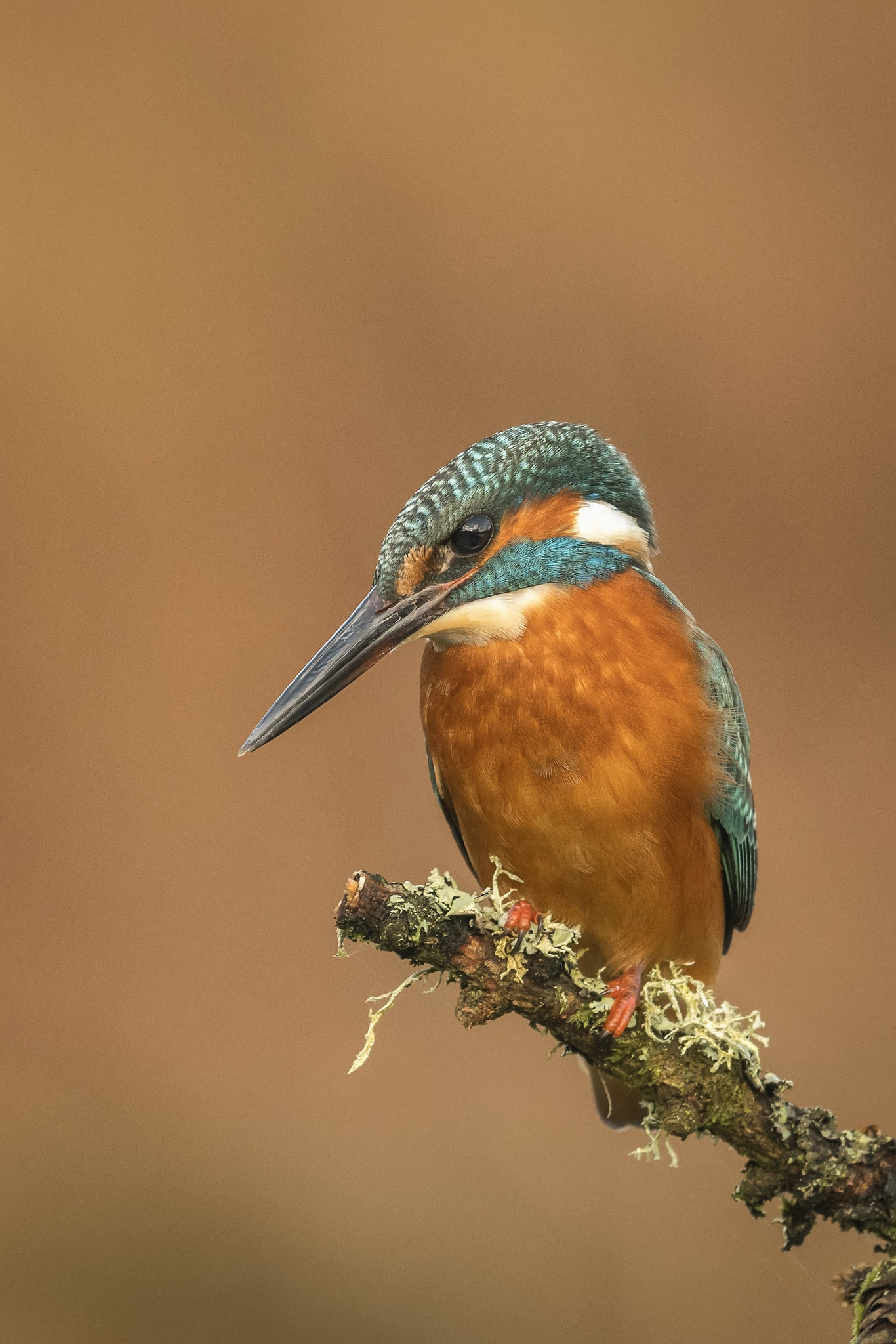
The deep ‘honk’ in the park comes from a male Canada Goose; the female replies with a shorter, higher ‘hrink’. This North American goose was brought to Britain and Ireland and now breeds happily beside people, which is why it is widely regarded as a pest. Walk too close to a nest and you will be hissed at.
Further out, the Coot, black with a white bill and forehead shield, crackles and trumpets, often after dark. The Great Crested Grebe barks a loud ‘rah-rah-rah’ and growls. Victorian hat makers wanted its head plumes, the hunt for them brought it close to extinction in the UK, and the RSPB was set up to protect it.
Green heads, red shields and a word that means marsh
The drake Mallard is the green-headed duck of every park, while the duck is speckled brown. Both carry a white-bordered panel of blue or purple feathers on the wing, called the speculum. A female lays 8 to 13 plain eggs, one every other day.
Along the reedy margin, the Moorhen is dark with a red forehead shield, yellow legs, a white under-tail and white streaks along the flanks. Its name has no link with moorland: moor is used in its old sense of marsh.
Birds of lakes, rivers and ponds
Searches decide the order, so the familiar park birds come first and the shyer river species further down. Each row plays its own recording.